MEDIA RELEASE
With 60,000 cases stuck in the courts, a proven South African answer is twenty years old
Khulisa’s Justice and Restoration Programme reduced court rolls by half and gave victims a voice. Its founding mediators say it is needed now more than ever.
Johannesburg, 29 October 2026
FOR IMMEDIATE RELEASE

South Africa’s criminal courts are under severe strain. A reply to a parliamentary question in September 2026 shows that 60,405 criminal cases were on the backlog roll in the country’s regional and district courts at the end of March, that criminal cases take an average of 522 days to finalise, and that 351 magistrate posts are vacant. In May, the Minister of Correctional Services told Parliament that the country’s prisons are 58% overcrowded, holding more than 169,000 people, of whom 63,194 are still awaiting trial.
The responses on the table focus mainly on appointing magistrates and filling court posts. Yet South Africa already has evidence of another answer, tested in its own courts and communities almost twenty years ago.
The proof from KwaZulu-Natal
In 2006, Khulisa Social Solutions launched the Justice and Restoration Programme (JARP) in Phoenix, Durban, with the National Prosecuting Authority and the Department of Justice and Constitutional Development. Prosecutors referred suitable cases to trained community mediators, who brought victims and offenders together to talk about what had happened, repair the harm and agree on a way forward. The Department of Justice later recognised JARP as a best practice model, and the European Union funded its expansion to six sites across KwaZulu-Natal from 2010 to 2012.
The independent evaluation, compiled by Dr Hema Hargovan of the University of KwaZulu-Natal, found that:
• the Phoenix court roll fell from 5,567 to 2,748 cases between 2006 and 2007;
• 84% of cases in the evaluation were finalised through mediation and withdrawn from the court roll, even though most involved assault;
• by the final evaluation, 97% of victims said justice had been done, and more than 99% of victims and offenders would recommend mediation to others;
• one rural court did not need to appoint a third magistrate, and the two Wentworth courts saved an average of 11 and 15 court days in seven months; and
• 82.6% of community members said JARP had made justice more accessible to them.
“The JARP evaluations highlighted the value of giving victims a meaningful voice and creating opportunities for offenders to acknowledge and repair harm,” said Dr Hargovan. “Community mediators were central to putting those principles into practice.”
A reunion, and a call to act
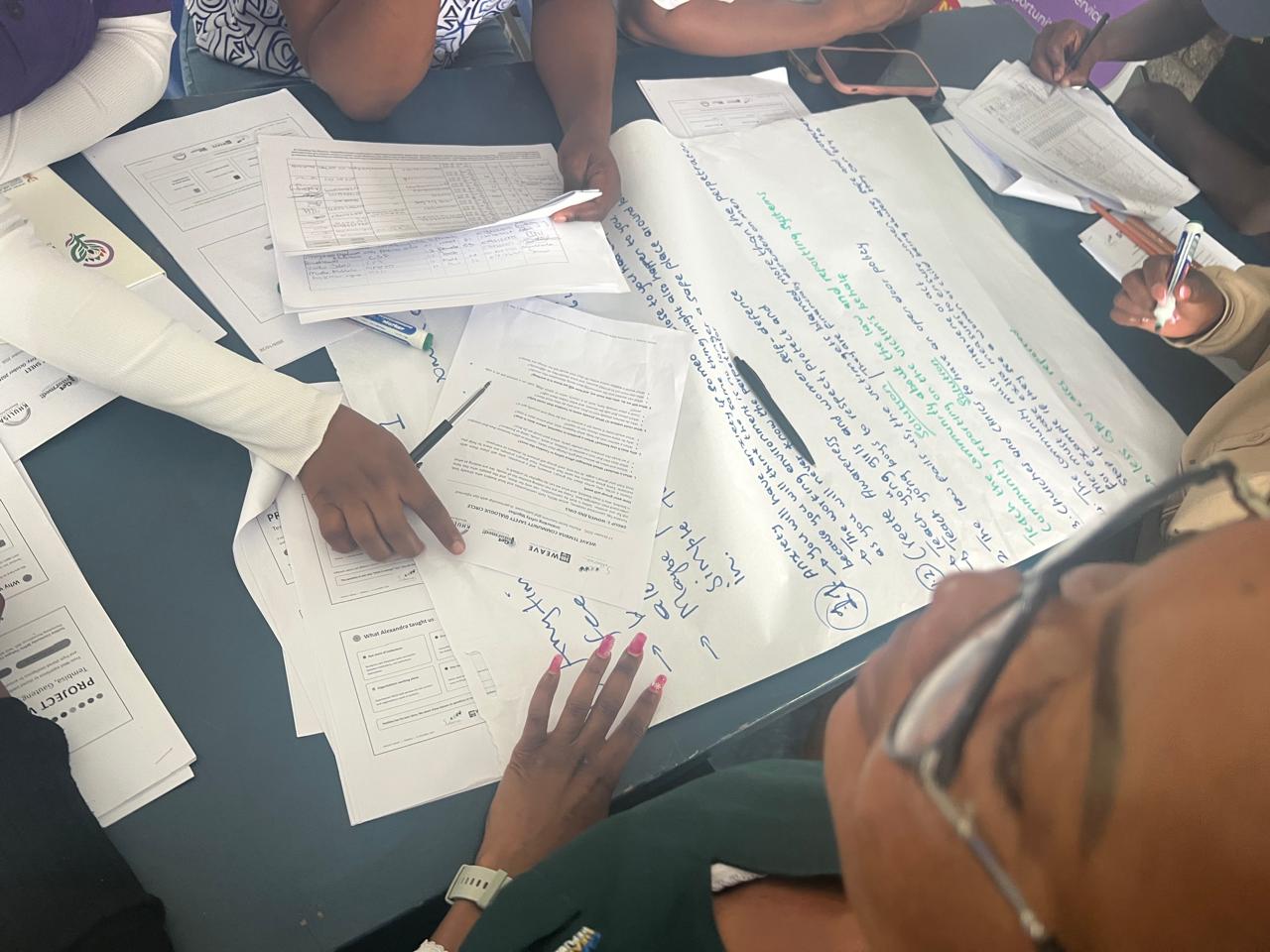
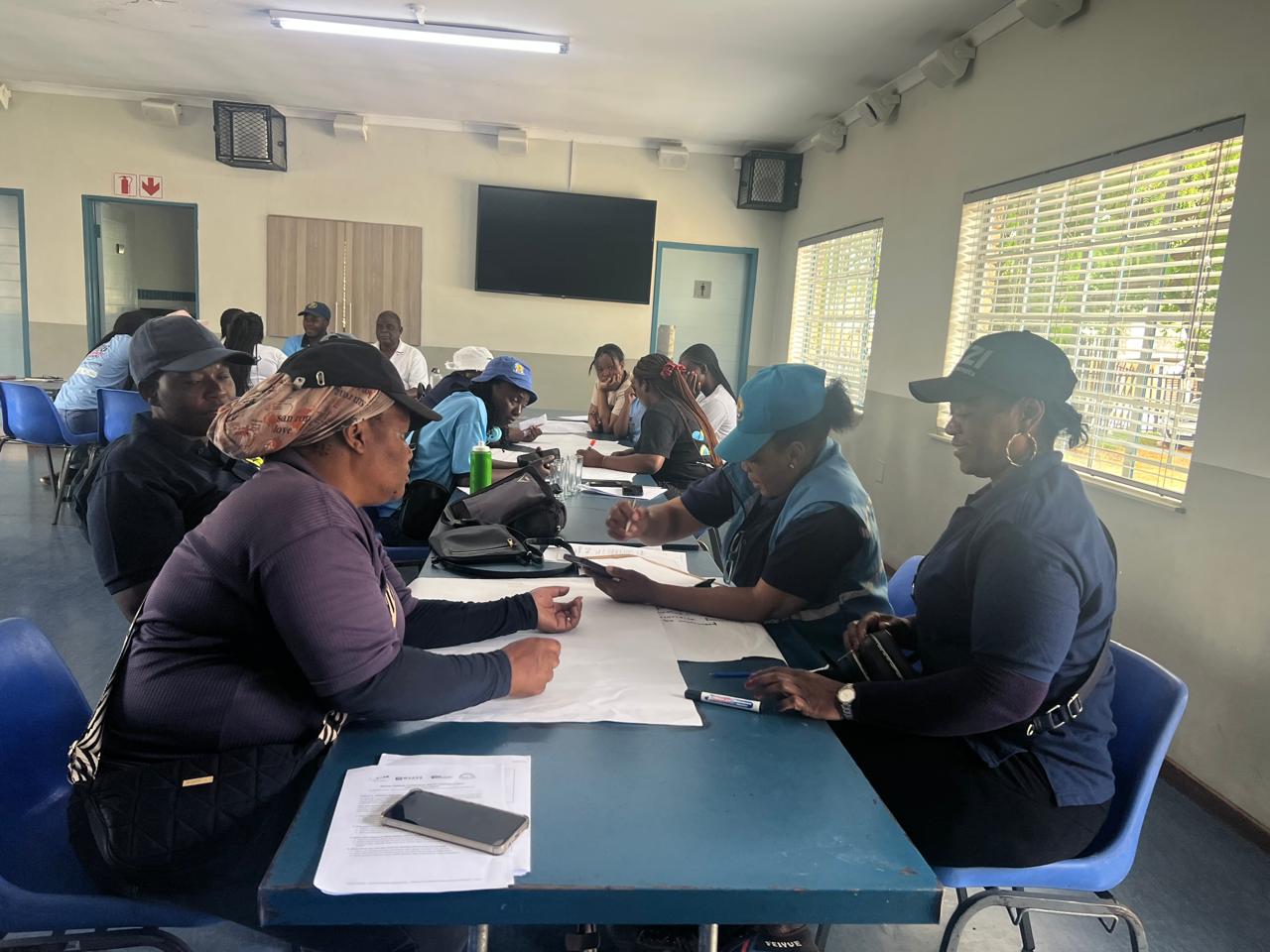
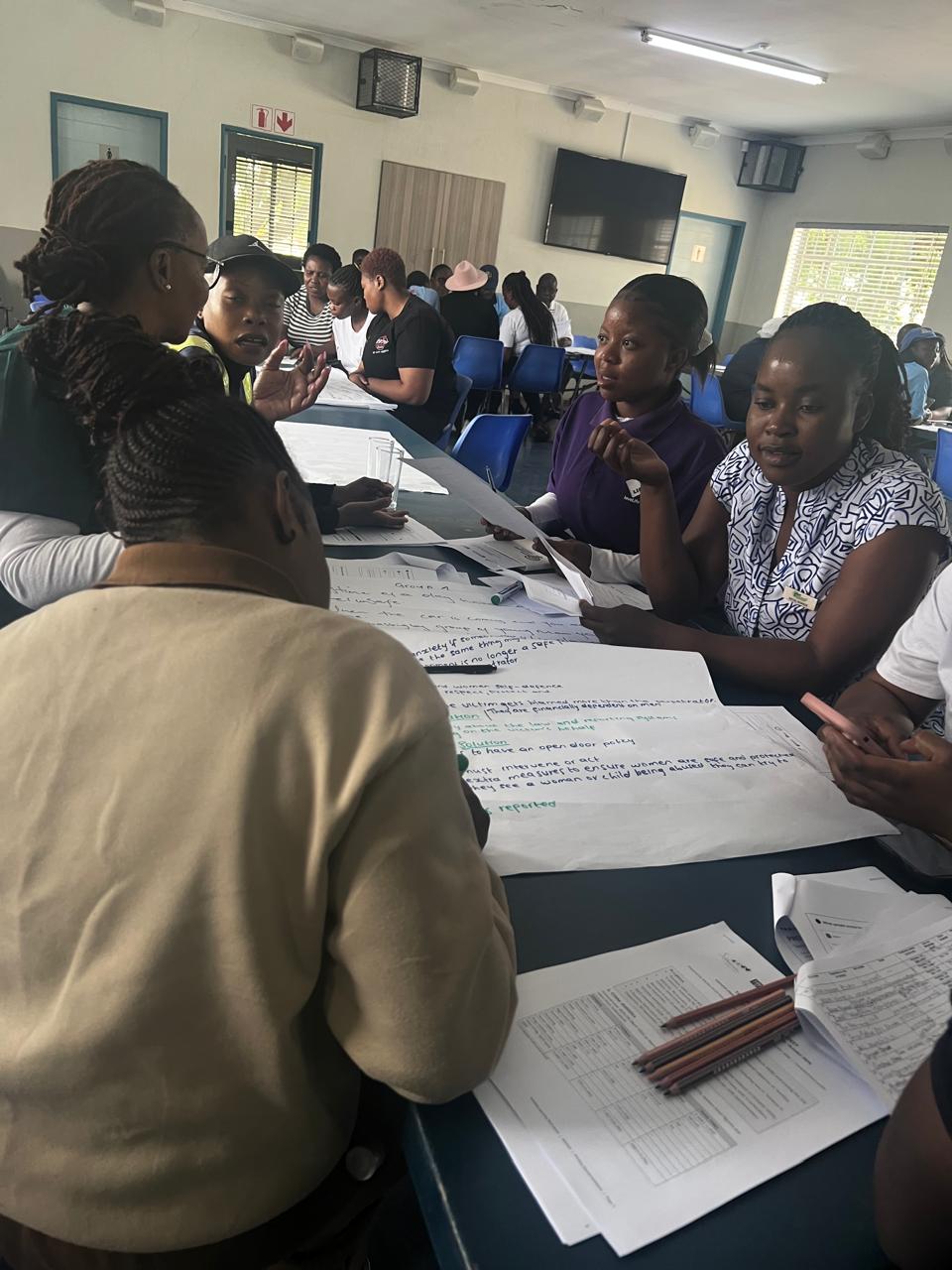
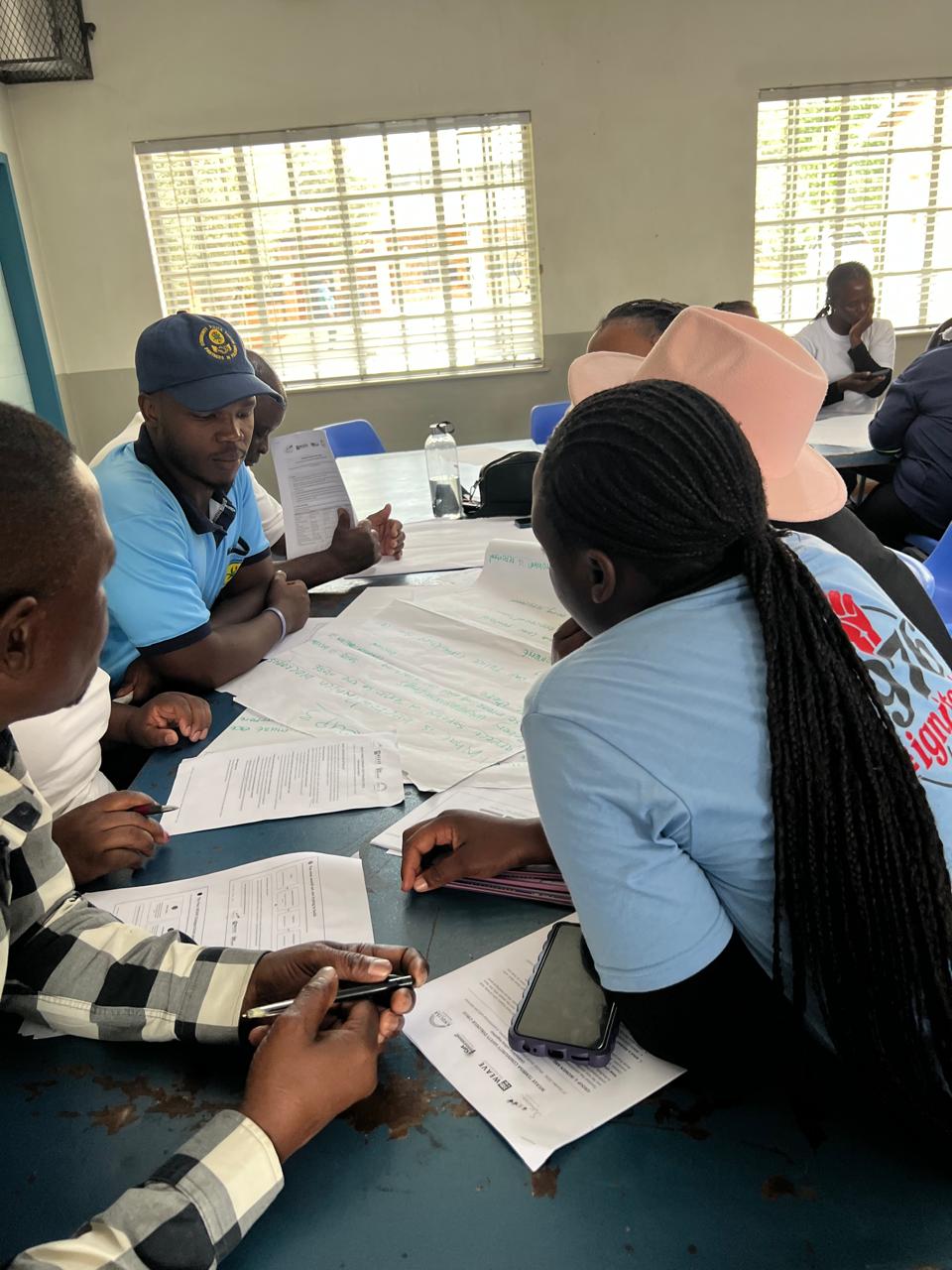
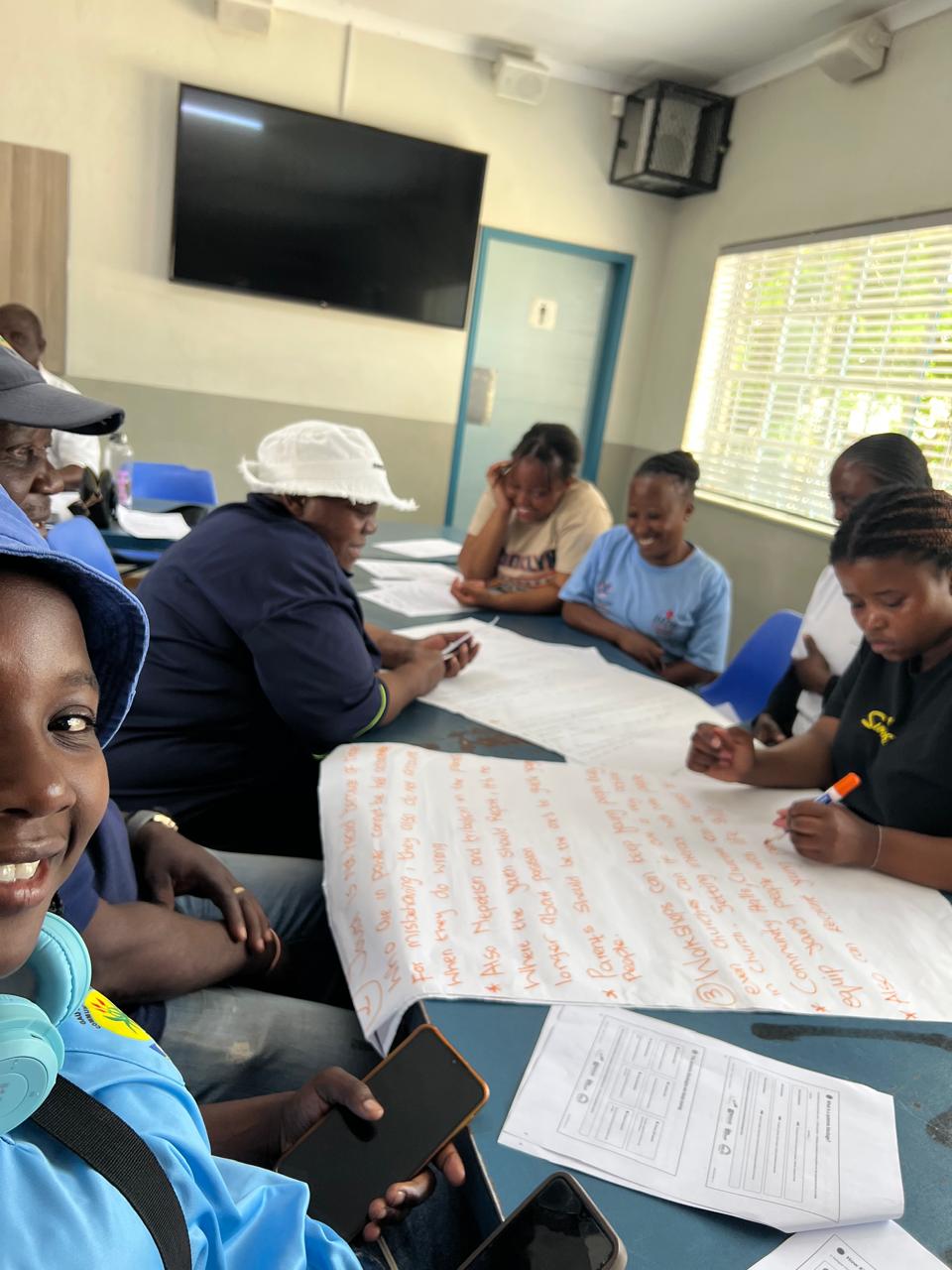
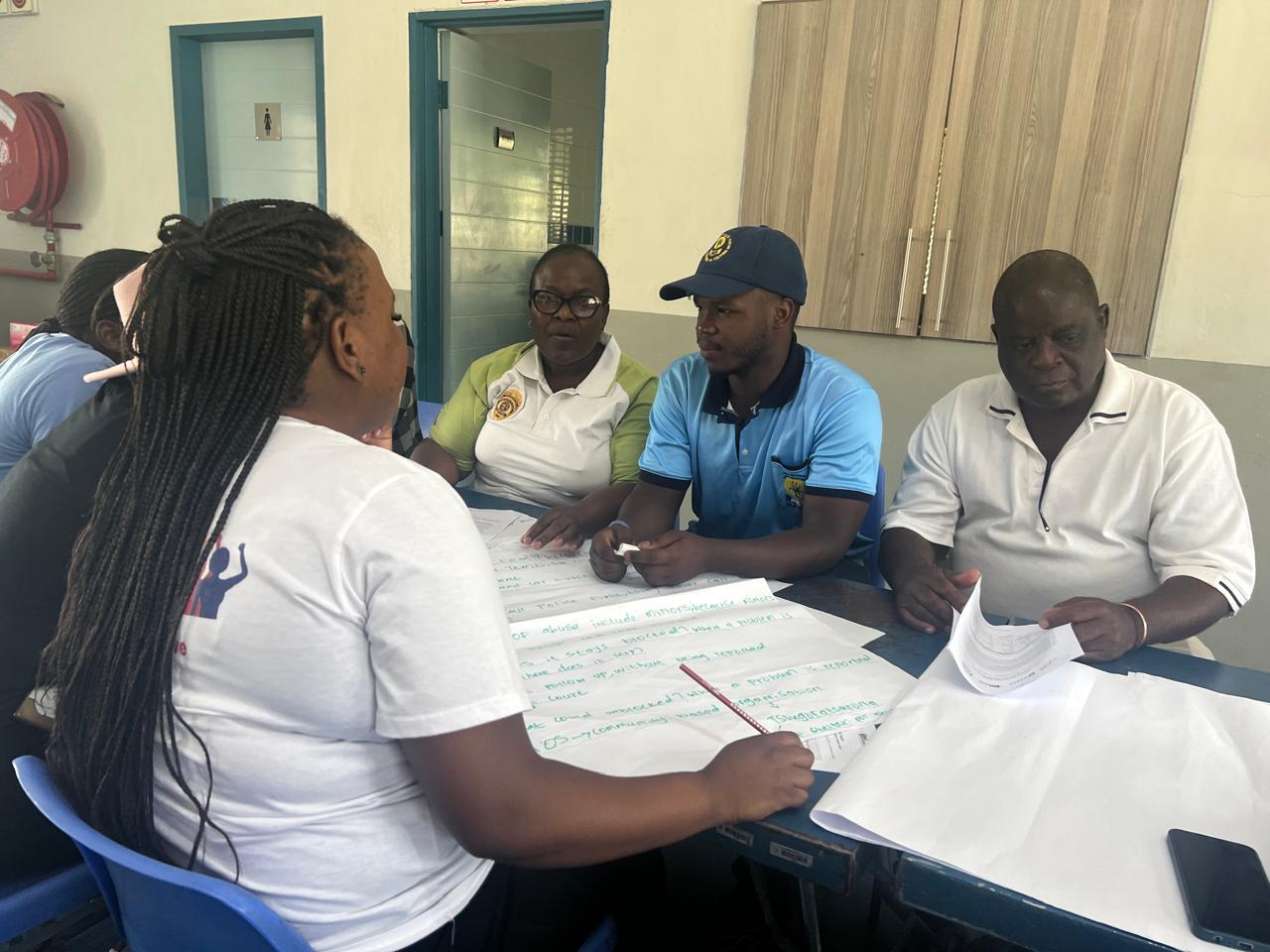
On 24 October 2026, JARP’s founding mediators gathered in Umhlanga Rocks for a reunion Dialogue Circle hosted by Lesley Ann van Selm, Founder and Managing Director of Khulisa. Almost twenty years on, they still use the skills they gained, and several continue to do peacemaking work in their communities. Their message was clear: mediation is needed everywhere, and most urgently in schools, where bullying, fighting and drugs are taking hold.
“Where is a mediator most needed today? I would say all over,” said one of the original mediators. George Lai Thom, the programme’s master trainer, summed up its impact: “Everyone who came into contact with it benefited. There were no losers.”
“Our courts and prisons are carrying cases that communities could resolve themselves, safely and with dignity, if the right support were in place,” said Lesley Ann van Selm. “JARP proved that restorative justice works in South Africa. It reduced backlogs, it gave victims a voice and it held offenders accountable. We do not need to invent a solution. We need to invest in one that already works.”
The work continues
Khulisa has continued to provide mediation services since JARP began. Through its partnership with the Society of Mediators, it has trained more than 30 NGOs as master mediators, and it delivers restorative justice programmes as part of its diversion services. Over the past 15 years, Khulisa has successfully completed more than 30,000 cases.
Khulisa is calling on government, the justice sector and funders to make community-based mediation and restorative justice a standard part of the response to court backlogs and prison overcrowding, and to bring restorative practice into schools.



About us
Khulisa Social Solutions is a South African social cohesion and community development organisation founded in 1997. The organisation works nationally to strengthen vulnerable communities through restorative practices, NGO capacity-building, dialogue processes, youth development, psychosocial support, skills development, and collaborative ecosystem partnerships. Khulisa’s work focuses on addressing the systemic root causes of social dysfunction by building stronger relationships among communities, government, civil society, and the private sector.
For more information, contact:
Lesley Ann van Selm | Managing Director and Founder
Khulisa Social Solutions
082 601 2299