
MEDIA RELEASE
Why impact remains elusive: misaligned investment and fragmented systems undermining community development
Danielskuil, Northern Cape – 19 March 2026
FOR IMMEDIATE RELEASE
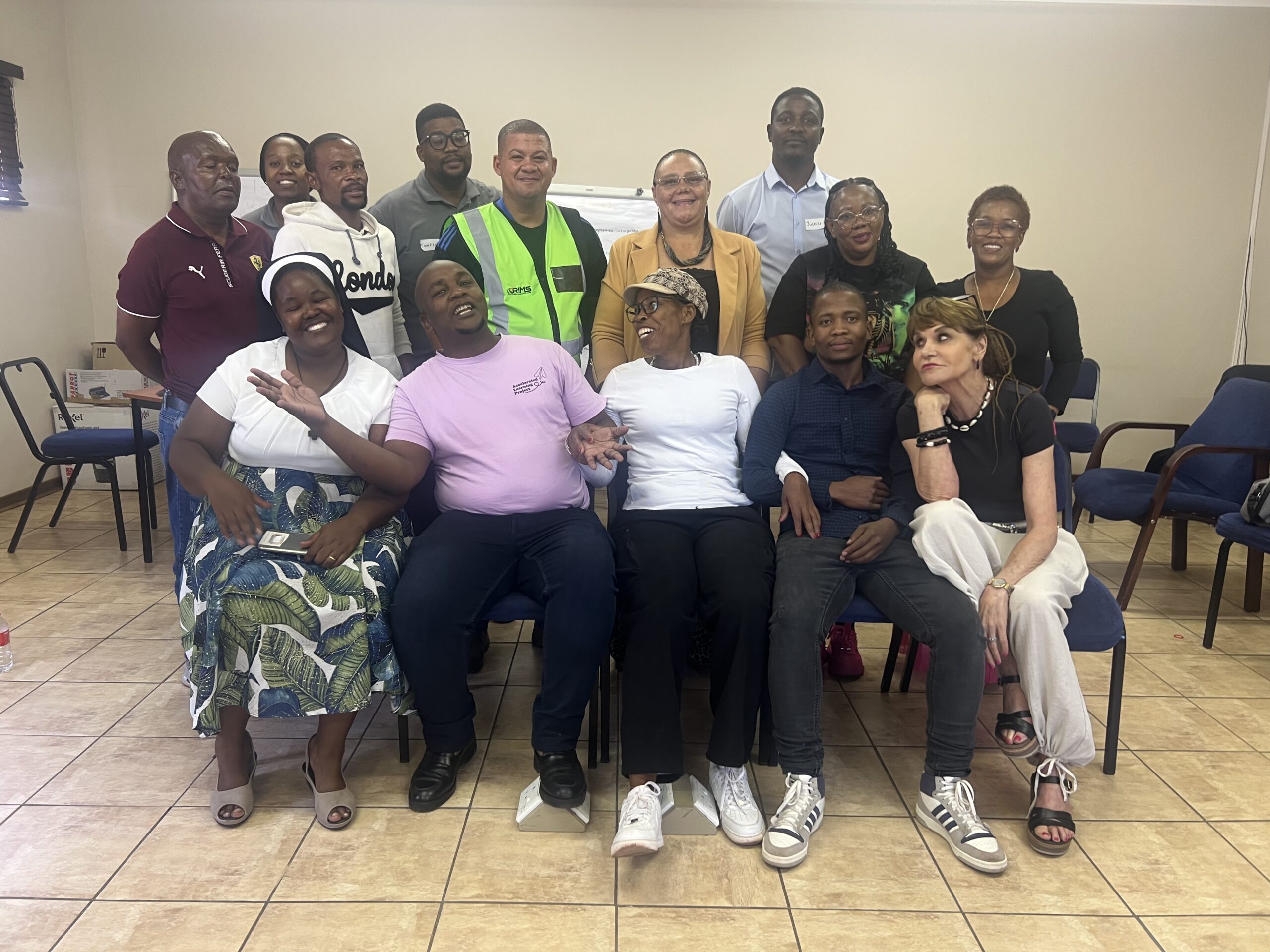
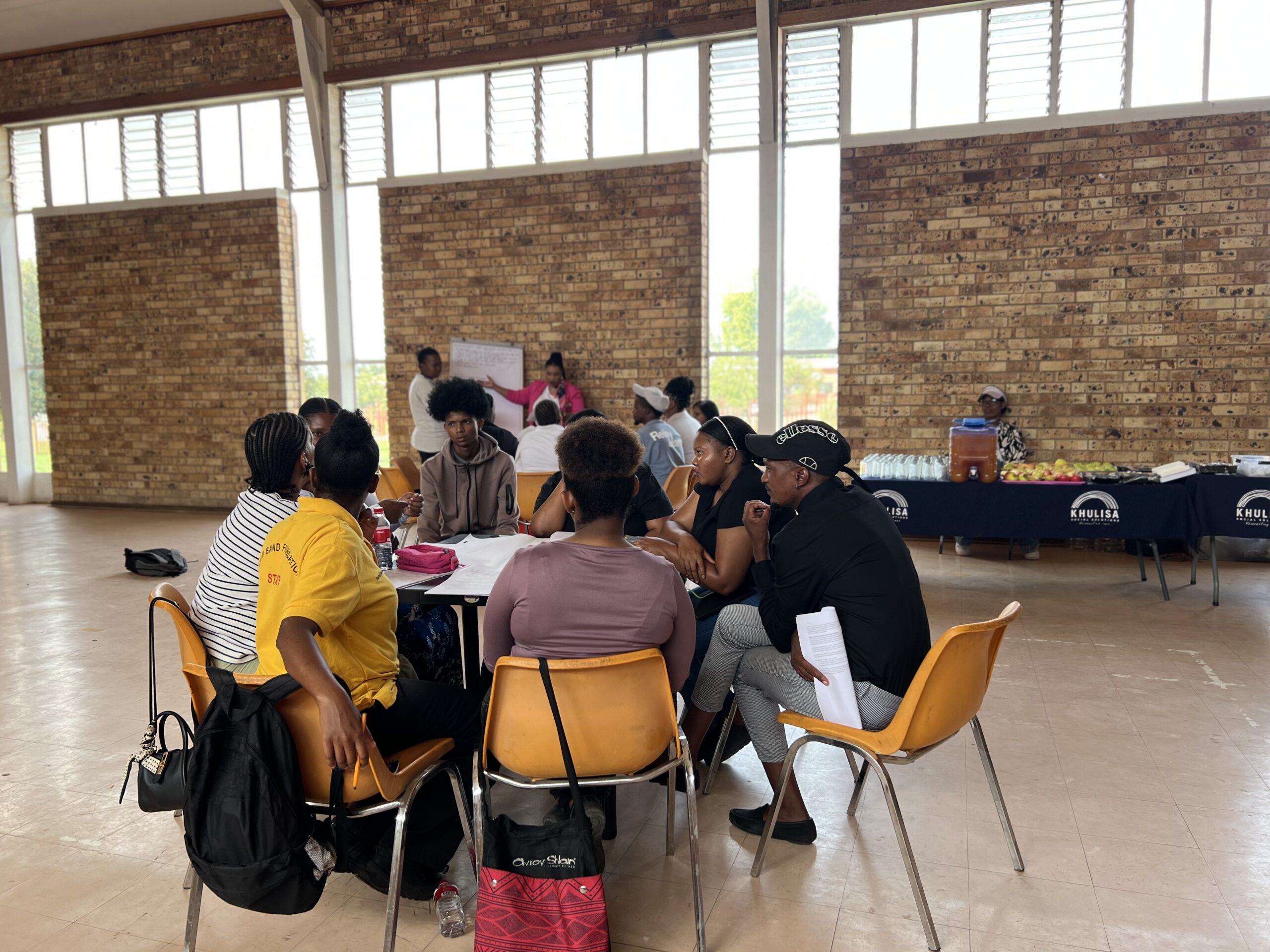
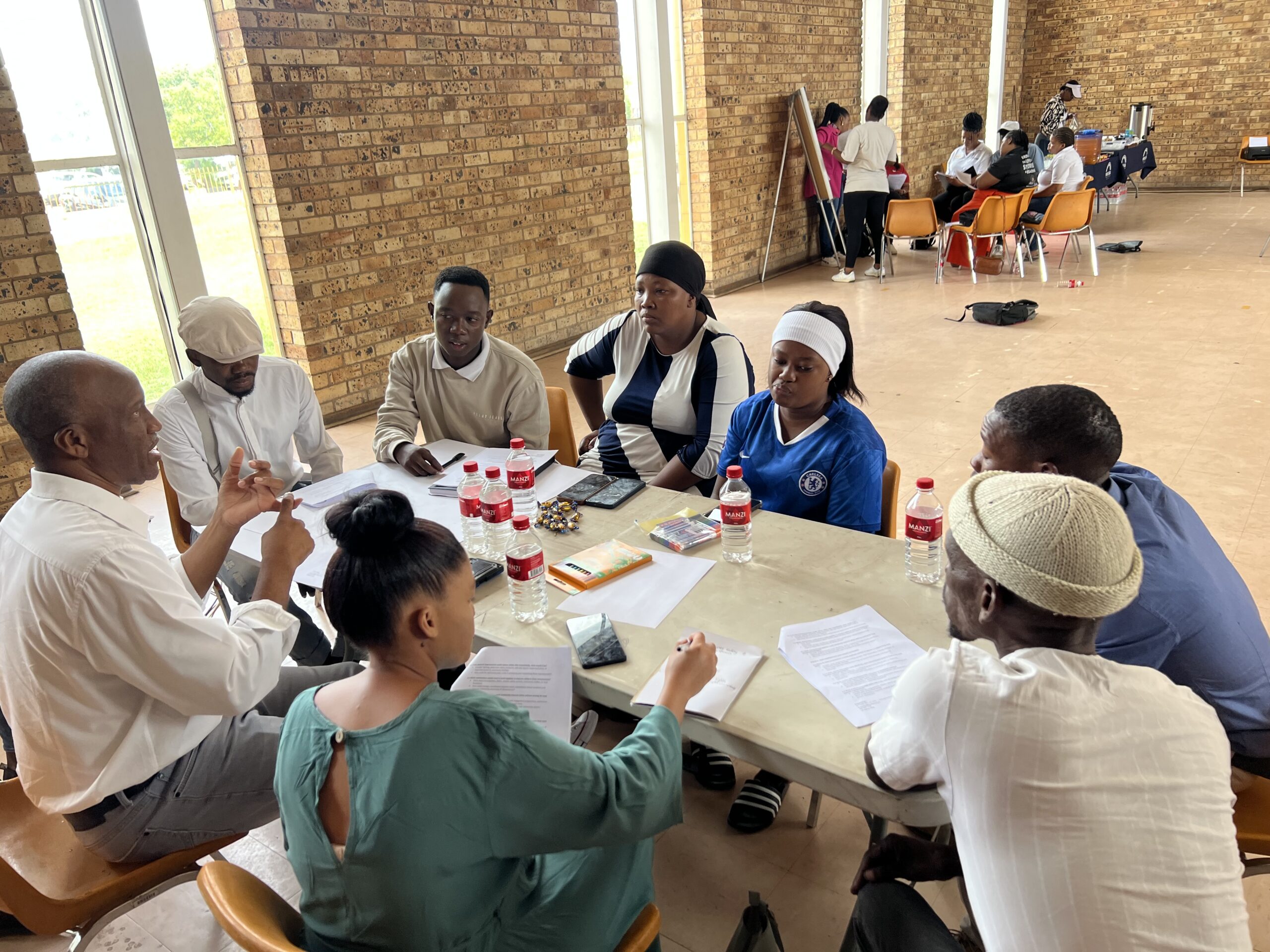
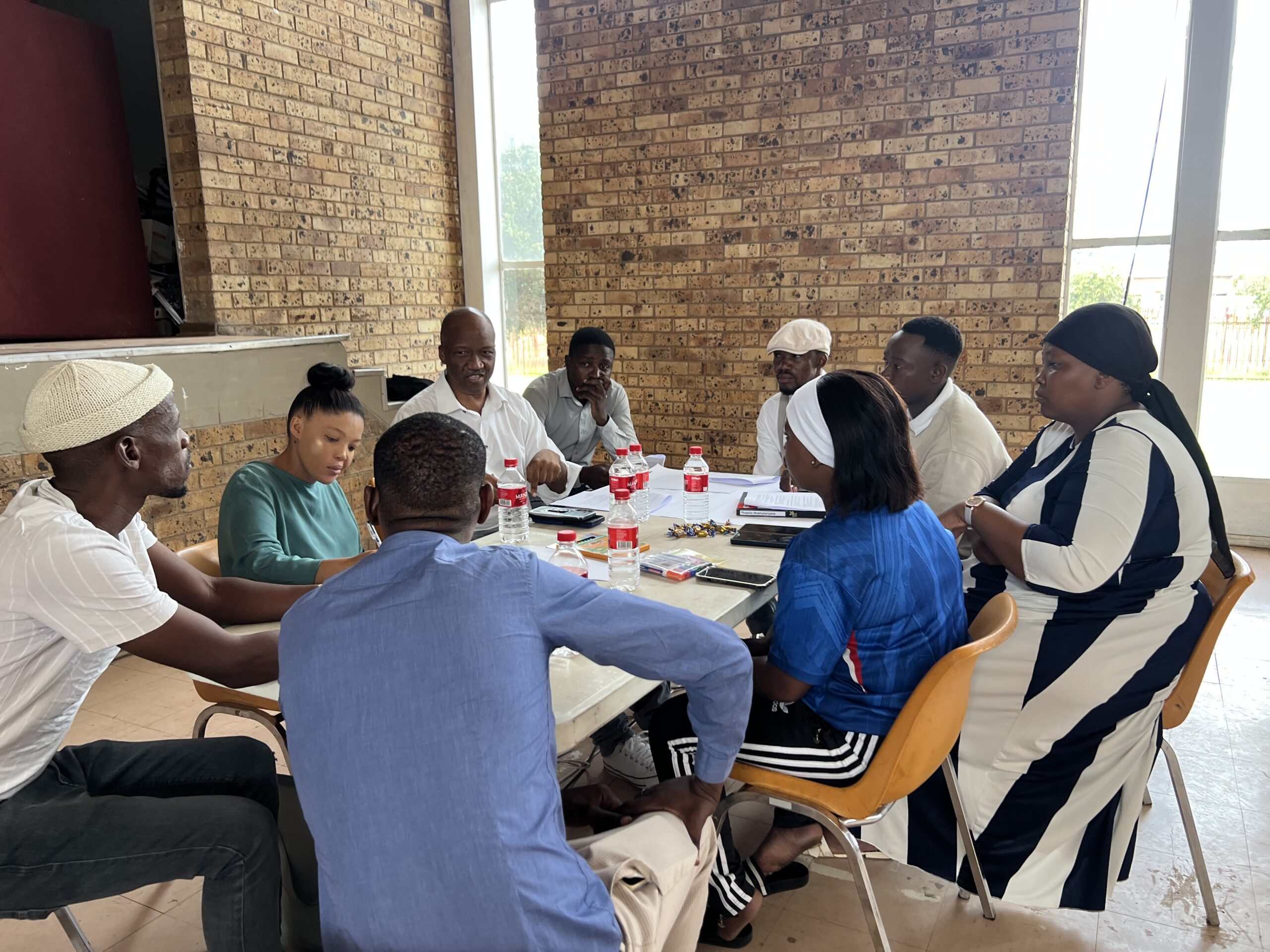
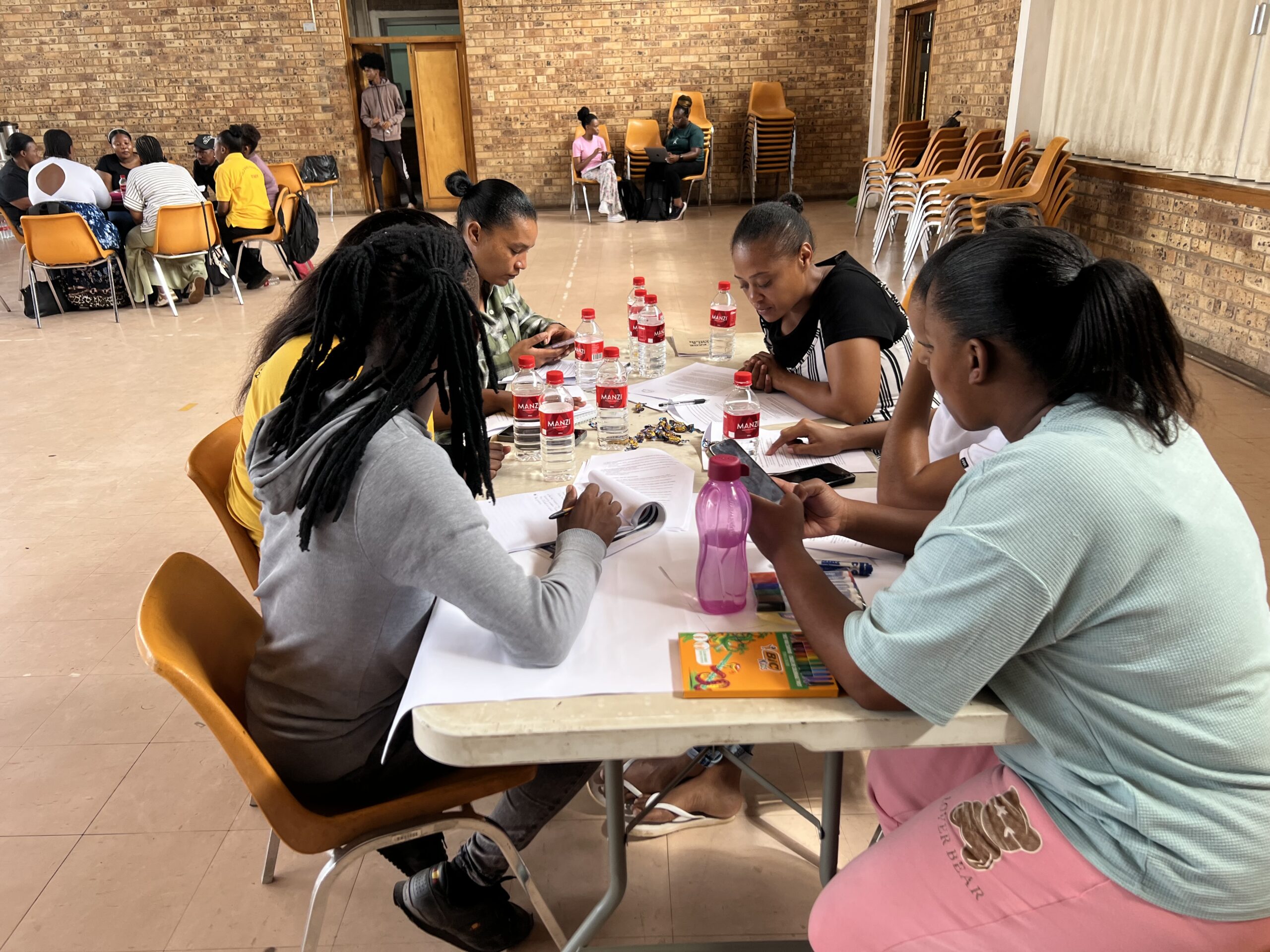
Khulisa Social Solutions recently led a series of strategic engagements in Danielskuil, Northern Cape, convening NGOs, corporates, government stakeholders, the police, and social services on the 17th and 18th of March 2026. These engagements, facilitated by Khulisa’s AI-driven Systematic Inventive Thinking (SIT) model, are part of the Northern Cape Empowerment Endeavour (NCEE) and aim to address systemic barriers to community development.
Across South Africa and many parts of Sub-Saharan Africa, a growing body of research and lived experience points to a critical, often-overlooked challenge: fragmentation among government, corporates, and NGOs—combined with misaligned investment—is a primary reason why significant funding is not translating into measurable, sustained impact.
According to multiple global and local development studies—including findings from the Organisation for Economic Co-operation and Development and the World Bank—fragmented service delivery, siloed funding mechanisms, and weak coordination among stakeholders consistently undermine development outcomes. These systems often operate in parallel rather than in partnership, leading to duplication, inefficiencies, and fragmented responses to complex social challenges. As noted in development literature, “fragmentation across actors reduces effectiveness and limits the ability to address root causes of poverty and inequality.”
Insights emerging from the Danielskuil engagements have reinforced this reality. Stakeholders collectively acknowledged that significant funding is being invested into community development, yet the outcomes do not reflect this level of investment. Investment is often not aligned to actual community needs; there is no uniformity or coordination in how services are delivered, and there is limited ability to measure return on social investment.
This results in a persistent disconnect between effort and outcome. Programmes are implemented, services are delivered, and resources are deployed—but without alignment, these efforts remain fragmented. As a result, duplication occurs, gaps remain unaddressed, and the broader system fails to produce meaningful, long-term change.
Stakeholders further highlighted that without shared frameworks, coordinated implementation, and integrated data systems, it becomes extremely difficult to demonstrate impact. This lack of measurable return on investment is not due to a lack of commitment or resources, but rather a lack of systemic cohesion.
The implications are significant. When investment is not aligned and systems are not working together, interventions tend to address symptoms rather than root causes. Early warning signs in families are not collectively acted upon, youth pathways remain disconnected from real economic opportunities, and community knowledge is not meaningfully integrated into planning and implementation. This is why stakeholders across sectors are increasingly grappling with evidencing impact—because the underlying drivers of dysfunction are not being addressed in a coordinated way.
Danielskuil provides a clear, real-world example of this systemic challenge. The community has active programmes, infrastructure, and committed stakeholders, yet outcomes remain constrained. The issue is not scarcity, but misalignment. It is a system that is active but not functioning cohesively.
Through its work in Danielskuil, Khulisa is positioning itself not simply as an NGO, but as a driver of systemic change—working at the intersection of community, institutions, and investment. Khulisa’s approach is to enable intersectoral collaboration, strengthen community-led processes, and promote social innovation that is grounded in lived experience and supported by data.
As part of the Northern Cape Empowerment Endeavour, Khulisa will continue to drive its ecosystem approach in Danielskuil through the Collaborative Implementation Model (CIM). This model focuses on aligning stakeholders, embedding community voice, and coordinating existing resources and programmes to deliver measurable impact.
Rather than introducing new interventions, the CIM approach reconfigures what already exists—linking government, corporations, and NGOs within a shared framework, strengthening accountability, and enabling data-driven tracking of outcomes. The intention is to move from fragmented activity to a functioning system where investment is aligned, implementation is coordinated, and impact is both visible and measurable.
The message emerging from Danielskuil reflects a broader shift in development thinking: impact is achieved not through isolated efforts but through aligned systems that collectively address root causes.








About us
For over two decades, Khulisa has been at the forefront of restorative justice and peace-making in South Africa, pioneering innovative approaches that restore dignity, rebuild trust, and transform conflict into collaboration. From its early work in prisons and schools to today’s nationwide community-based dialogue circles, Khulisa has consistently demonstrated that justice is not only about law, but about healing relationships and strengthening the social fabric. By embedding restorative practices into communities, Khulisa has cultivated thousands of peacebuilders who turn lived experiences into solutions—laying the foundation for a more cohesive, resilient, and hopeful society.
For more information, contact:
Lesley Ann van Selm | Managing Director and Founder
Khulisa Social Solutions
082 601 2299

