
MEDIA RELEASE
SYSTEMIC FAILURE DRIVING CRIME IN CAPE TOWN: NEW EVIDENCE DEMANDS URGENT SHIFT IN APPROACH
Cape Town | 30 March 202
FOR IMMEDIATE RELEASE
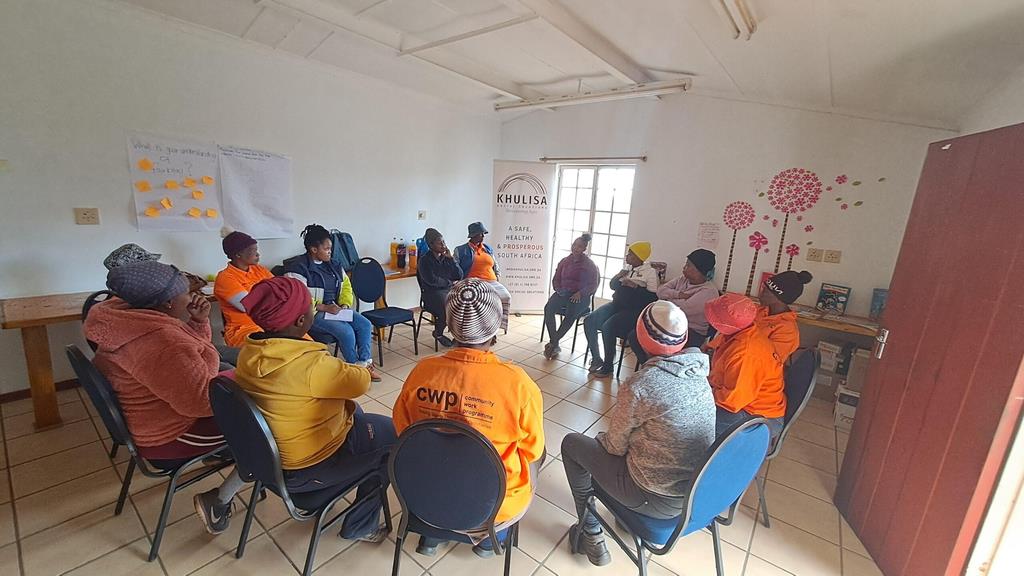
Cape Town faces a worsening crisis of crime, violence, and social fragmentation—yet despite years of investment, the situation keeps getting worse. What is becoming clearer is that current efforts are failing not because of a lack of effort or funding, but because they do not tackle the root causes of dysfunction within communities.
This press release is based on findings from a series of consolidated community reports carried out by Khulisa Social Solutions over the past 12 months in Cape Town and surrounding areas. These reports utilise data from dialogue circles, programme evaluations, and stakeholder engagements funded by the Directorate of Crime Prevention and Restorative Services within the Department of Social Development (Western Cape).
The reports present a sobering reality. Across multiple communities, the same patterns are emerging: high levels of unresolved trauma, fractured family structures, substance abuse, youth disengagement, and a profound lack of coordinated support between services meant to protect and uplift vulnerable populations.
The findings from consolidated Khulisa Social Solutions reports indicate that communities are not only addressing the symptoms of crime but are also caught in systems that sustain it. Young people exposed to violence, neglect, and instability are falling into cycles of criminal behaviour that existing programmes are poorly equipped to break.
A critical lens through which these findings must be understood is the Adverse Childhood Experiences (ACEs) framework. The long-term impact of trauma—particularly when unaddressed—manifests in harmful behaviours, including violence, substance abuse, and chronic disengagement from education and employment. Without targeted, community-based trauma interventions, these patterns will continue to repeat across generations.
The reports are grounded in lived-experience data gathered through structured dialogue circles, supported by AI-assisted analysis, and triangulated with programme reports and stakeholder inputs across multiple communities. What makes this data particularly compelling is that it reflects the voices of those directly affected—community members, NGO practitioners, families, and youth—rather than relying solely on top-down assessments.
One of the most alarming findings is the extent of fragmentation across the system. NGOs are operating in isolation, government departments are working in silos, and there is limited coordination between key stakeholders such as social services, law enforcement, and community-based organisations. This fragmentation significantly weakens the overall impact of interventions and leads to duplication, service delivery gaps, and missed prevention opportunities.
Importantly, the reports do not represent isolated incidents but reflect recurring systemic patterns identified across multiple communities over the 12-month reporting period.
The implication is clear: addressing crime in Cape Town requires a fundamental shift—from reactive, symptom-focused interventions to proactive, system-wide strategies that tackle root causes. This includes:
- Embedding trauma-informed approaches within communities
- Scaling psychosocial mediation and restorative justice practices
- Strengthening collaboration between NGOs, government, and community stakeholders
- Building the capacity of local organisations to function as part of an integrated ecosystem rather than in isolation
Without this shift, investments—no matter how substantial—will continue to yield limited and unsustainable outcomes.
The full set of reports provides a baseline for ongoing impact measurement and a framework for coordinated, intersectoral responses to crime, trauma, and social fragmentation in the Western Cape.

About us
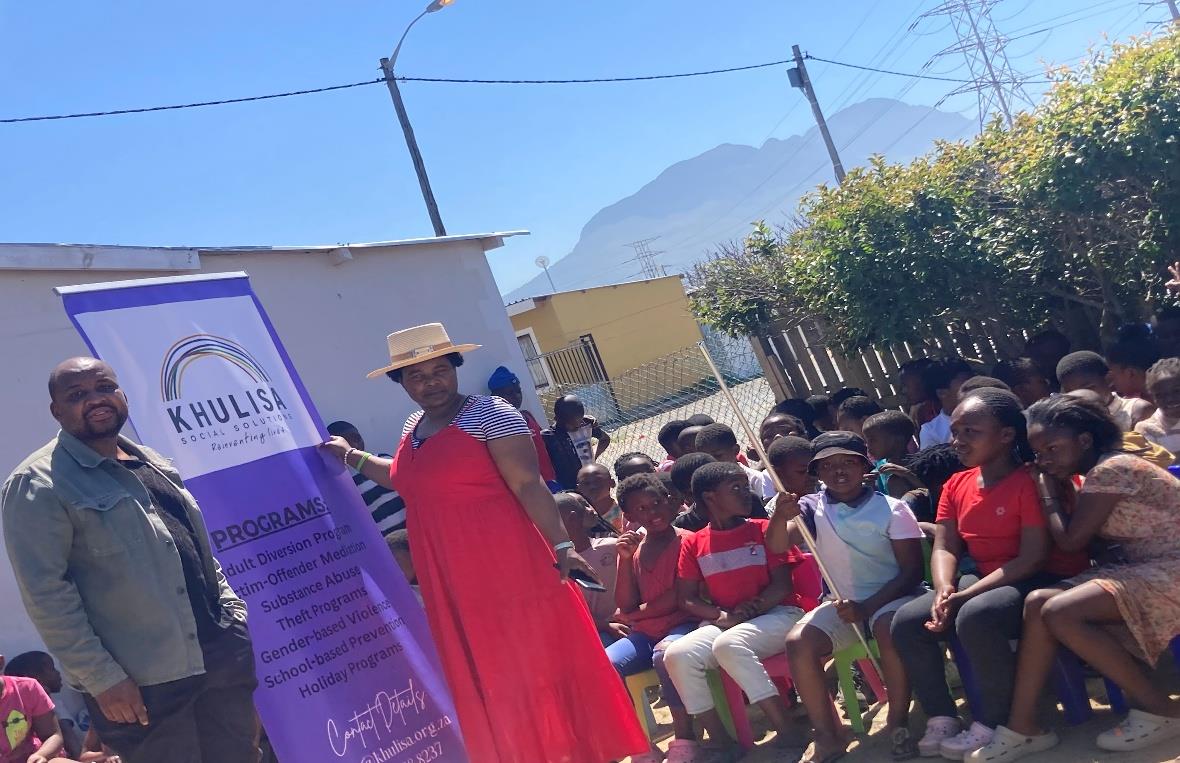
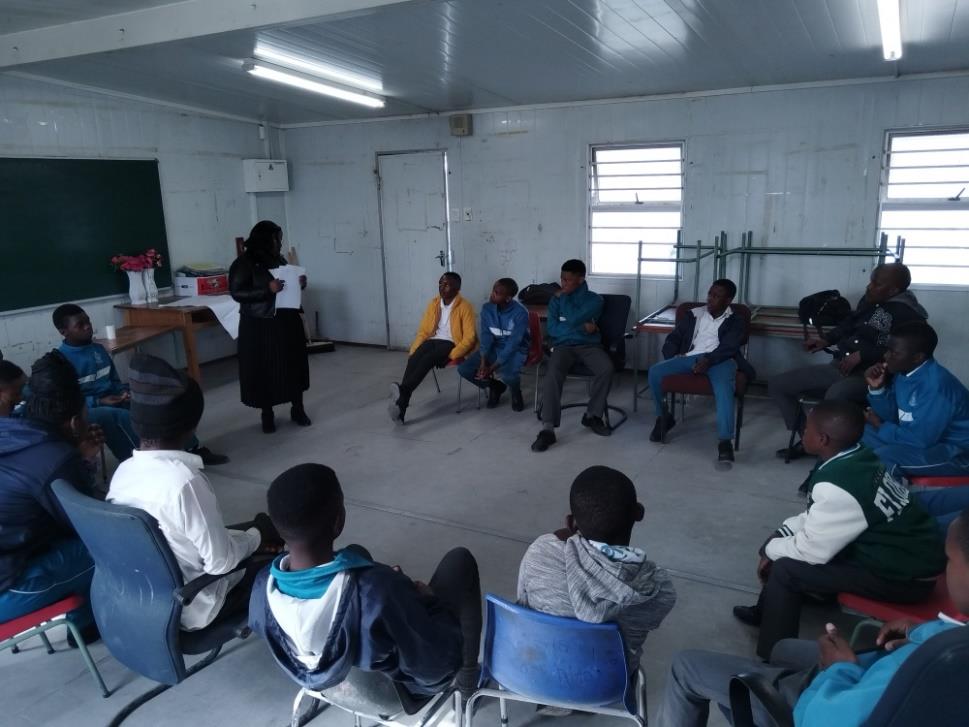
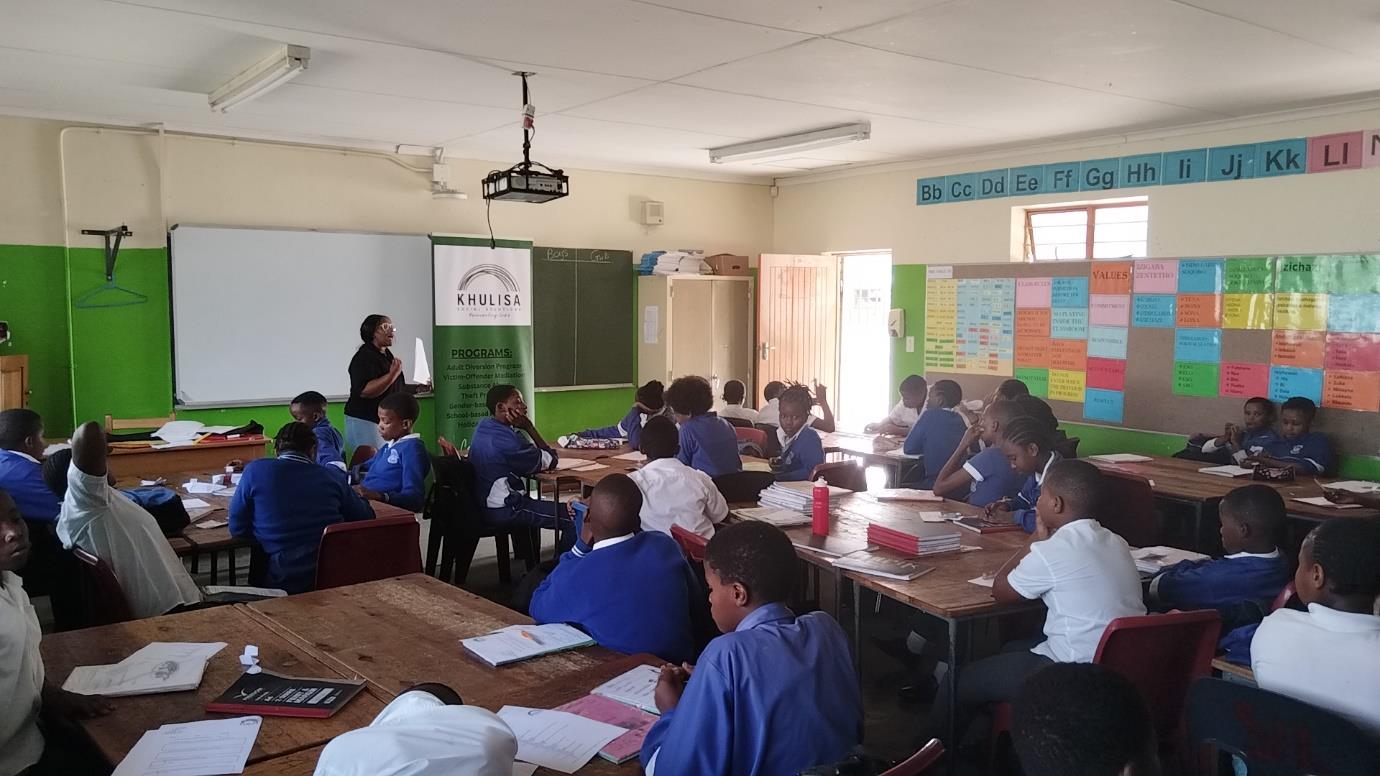
For over two decades, Khulisa has been at the forefront of restorative justice and peace-making in South Africa, pioneering innovative approaches that restore dignity, rebuild trust, and transform conflict into collaboration. From its early work in prisons and schools to today’s nationwide community-based dialogue circles, Khulisa has consistently demonstrated that justice is not only about law, but about healing relationships and strengthening the social fabric. By embedding restorative practices into communities, Khulisa has cultivated thousands of peacebuilders who turn lived experiences into solutions—laying the foundation for a more cohesive, resilient, and hopeful society.
For more information, contact:
Lesley Ann van Selm | Managing Director and Founder
Khulisa Social Solutions
082 601 2299

