
MEDIA RELEASE
South Africa Unveils Groundbreaking Community Mediation Innovation to Break Cycles of Violence
19 November 2025
FOR IMMEDIATE RELEASE
South Africa today launches a pioneering grassroots mediation programme across four provinces — an innovation designed to fundamentally change how communities prevent and resolve conflict. At a time when violence in schools is increasing, vigilantism is spreading, and trust in public institutions is eroding, this new model puts the tools for peace directly into the hands of ordinary residents.
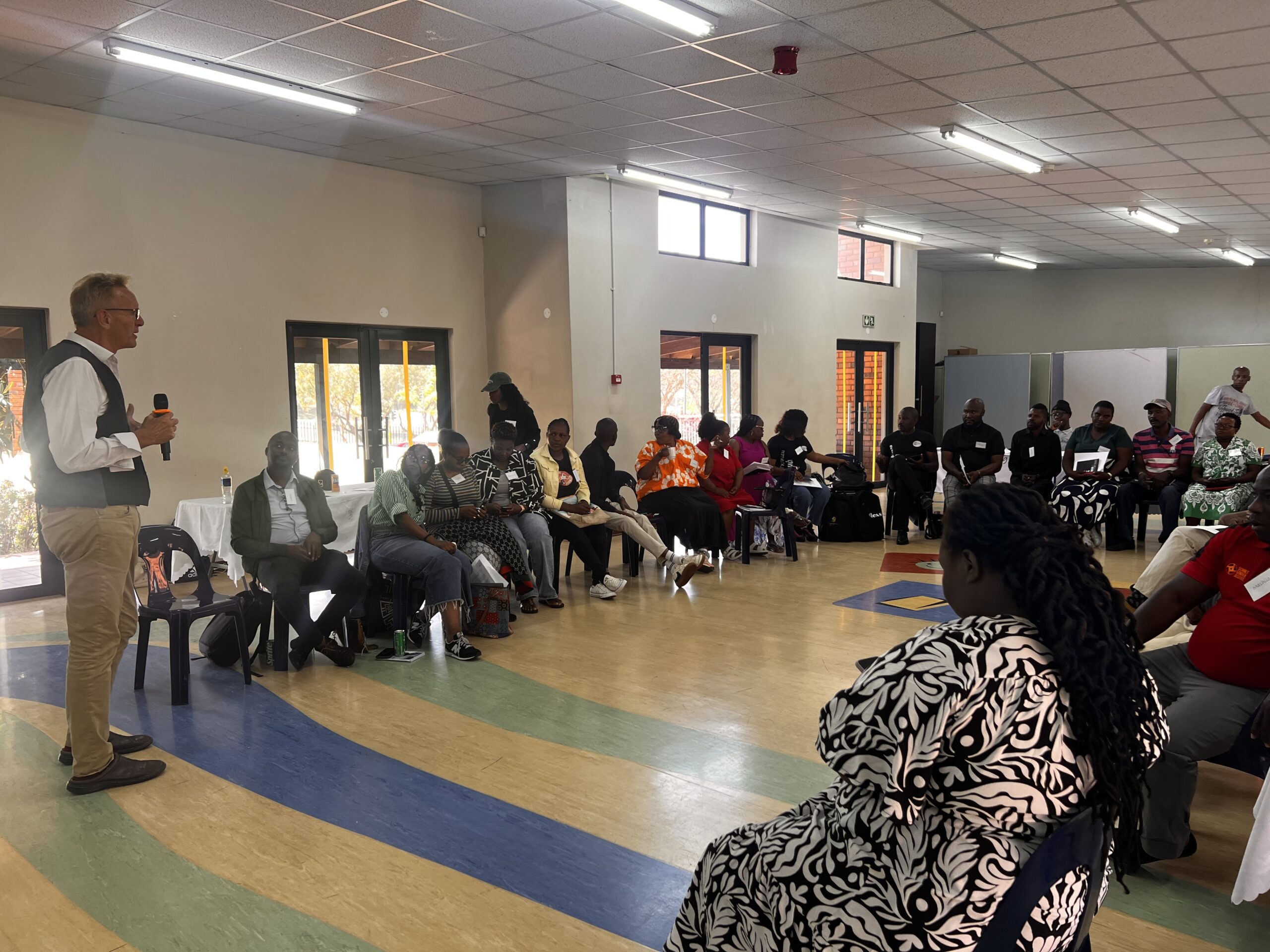
Jointly led by Khulisa Social Solutions and the Society of Mediators (SoM, UK), the initiative runs from 19 November to 5 December and will reach more than 350 residents, youth leaders, NGOs, educators, tribal authorities, and community structures. It marks the launch of South Africa’s first coordinated national mediation campaign based on the belief that communities themselves are the most powerful drivers of safety, cohesion, and transformation.
A community-powered solution to conflict
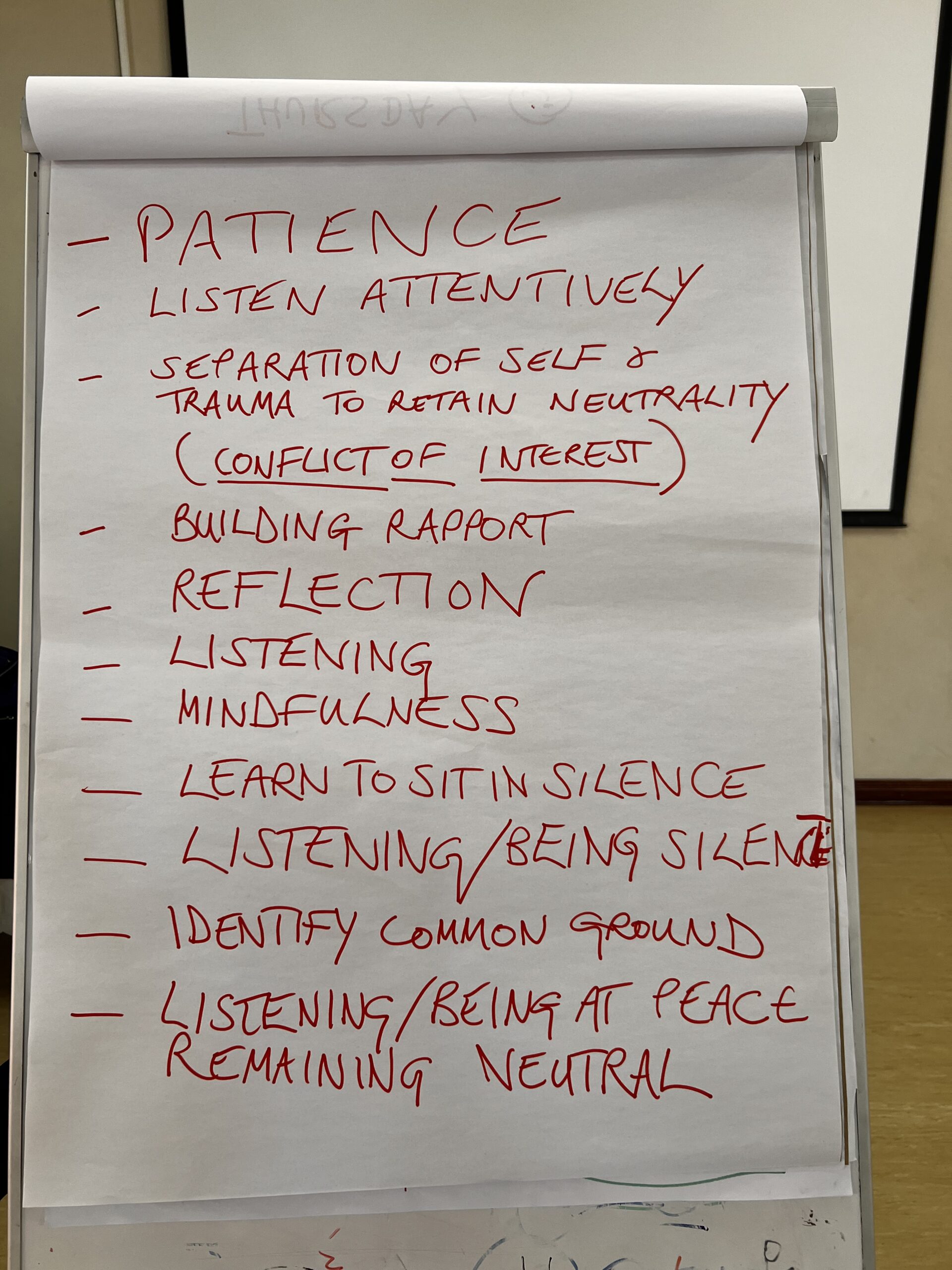
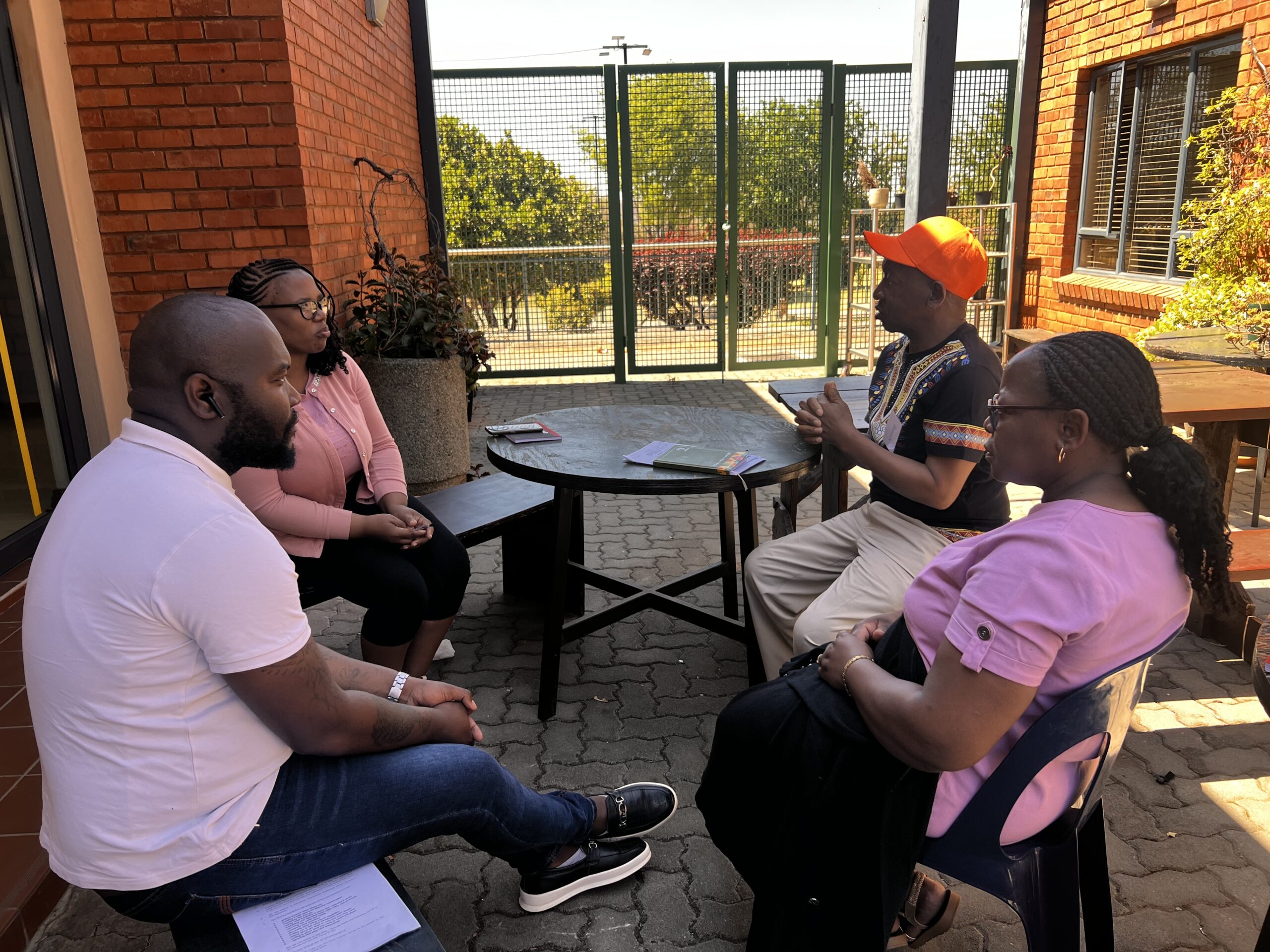
The core innovation of this initiative is simple but radical: giving communities the knowledge, skills, and confidence to mediate their own disputes before they escalate into violence. Rather than relying on external experts, the programme trains caregivers, youth, teachers, ward committees, NGO staff and traditional authorities to become first responders in conflict — transforming communities from passive recipients of interventions into active peacebuilders.
This shift moves South Africa away from crisis-driven, top-down responses and towards a sustainable, locally rooted system of community-driven mediation. It empowers residents to break conflict cycles with practical, emotionally grounded tools that reflect their lived realities.

Built on 20 years of restorative justice and five years of deep community research
Khulisa has worked in restorative justice since the early 2000s. The new mediation methodology is the result of over five years of intensive community-based research using Dialogue Circles, narrative therapy and the SIT methodology to uncover the emotional, historical and structural drivers of conflict.
These approaches have revealed the true fault lines fuelling violence: mistrust, trauma, exclusion, hopelessness, intergenerational disconnect and weakened relationships between institutions and communities.
The partnership with the Society of Mediators builds on two years of joint work in South Africa, uniting global mediation expertise with deeply grounded local insight.
The missing mechanism in South Africa’s peace system
Despite its strong legal and judicial frameworks, South Africa has a critical gap: no functional community-level conflict-resolution mechanism.
Without trained mediators or neutral local platforms, schools, families, NGOs and community leaders face intensifying conflict with no tools to manage it. As trauma and frustration deepen, small disputes escalate rapidly into violence. The new mediation campaign directly addresses this systemic absence by building mediation capacity from within the community.
Communities under immense pressure
Across South Africa, communities are facing a convergence of destabilising forces: youth violence, vigilantism, family breakdown, drug-related conflict, school instability, internal NGO disputes, poor service delivery and widespread emotional fatigue.
Without accessible mechanisms for peaceful mediation, these pressures push communities toward the breaking point. The new model offers a preventative, empowering solution at precisely the moment it is most needed.
Why this innovation may be South Africa’s turning point
This community mediation model is one of the few scalable peacebuilding approaches that can grow organically, village by village, until every community can prevent violence before it begins. It restores dignity, strengthens families, stabilises schools, empowers young people, and rebuilds trust between residents and institutions.
Most importantly, it returns power to the people most affected by conflict — making communities not the victims of violence, but the architects of their own peace.
Profiles for Interviews
Jonathan Dingle FRSA MCIArb FSOM
Jonathan Dingle is an internationally recognised mediator with more than 35 years of experience and over 3,000 mediations across civil, commercial, environmental, family and high-risk emotional disputes. Faculty Director of the Society of Mediators (UK) and co-founder of the Civil Mediation Council, he is known globally for advancing community-led mediation practices.
Lesley-Ann van Selm
Lesley-Ann van Selm is the founder and Managing Director of Khulisa Social Solutions, established 28 years ago to tackle the structural and emotional causes of community dysfunction. She has pioneered dialogue-based, trauma-informed, and restorative justice methodologies and has led some of South Africa’s most extensive community engagement initiatives in conflict-affected areas.


About us
For over two decades, Khulisa has been at the forefront of restorative justice and peace-making in South Africa, pioneering innovative approaches that restore dignity, rebuild trust, and transform conflict into collaboration. From its early work in prisons and schools to today’s nationwide community-based dialogue circles, Khulisa has consistently demonstrated that justice is not only about law, but about healing relationships and strengthening the social fabric. By embedding restorative practices into communities, Khulisa has cultivated thousands of peacebuilders who turn lived experiences into solutions—laying the foundation for a more cohesive, resilient, and hopeful society.
For more information, contact:
Lesley Ann van Selm | Managing Director and Founder
Khulisa Social Solutions
082 601 2299

