
MEDIA RELEASE
NEW NORTHERN CAPE REPORT REVEALS WHY SOCIAL HARM PERSISTS AND WHAT ACTUALLY WORKS
Postmasburg and Danielskuil | January 2026
FOR IMMEDIATE RELEASE
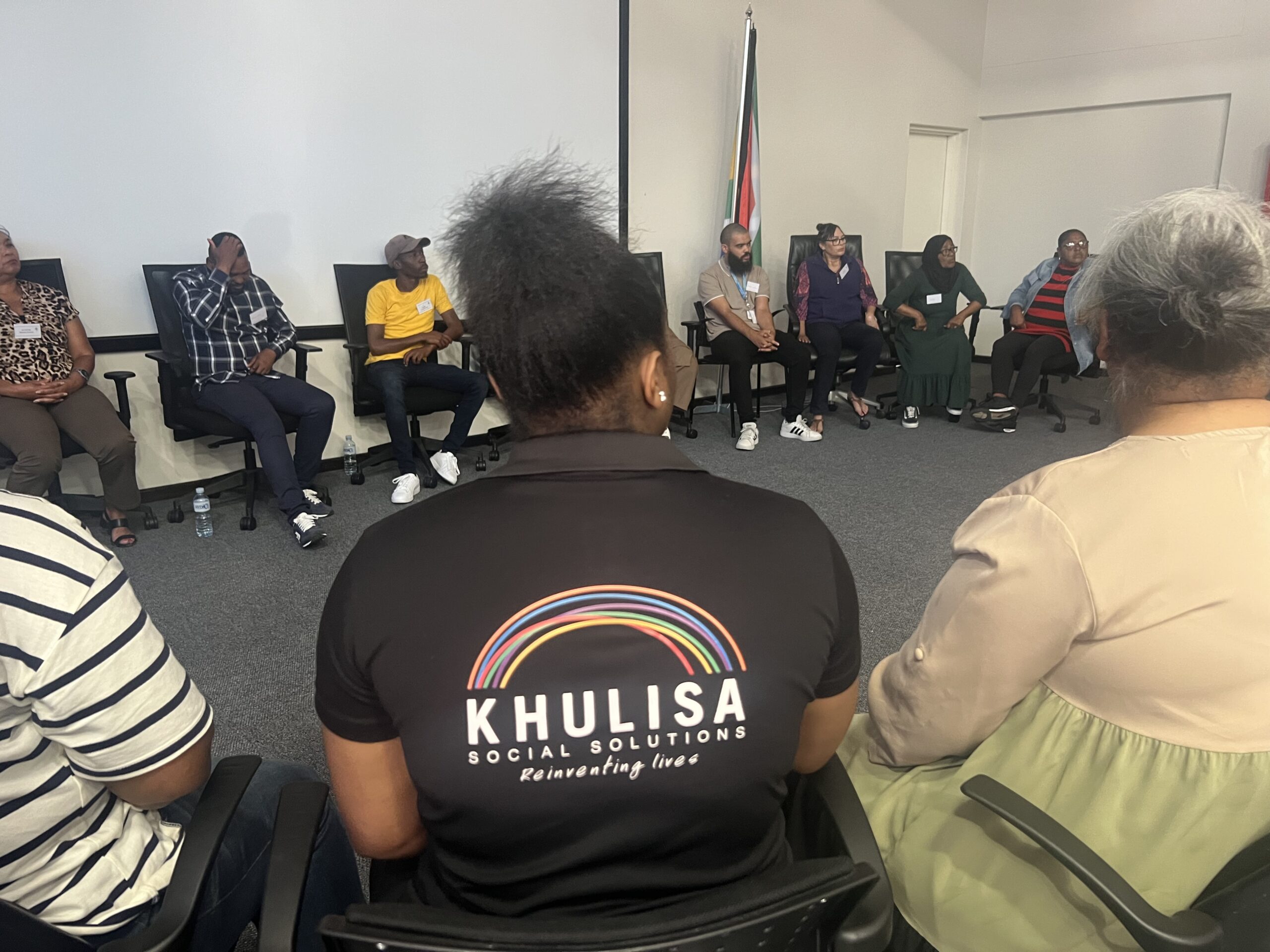
A newly released report reveals that social harm in Postmasburg and Danielskuil is not only experienced in people’s lives and relationships, but is actively produced and reinforced by neglected spaces, fragmented systems, and poorly coordinated responses.
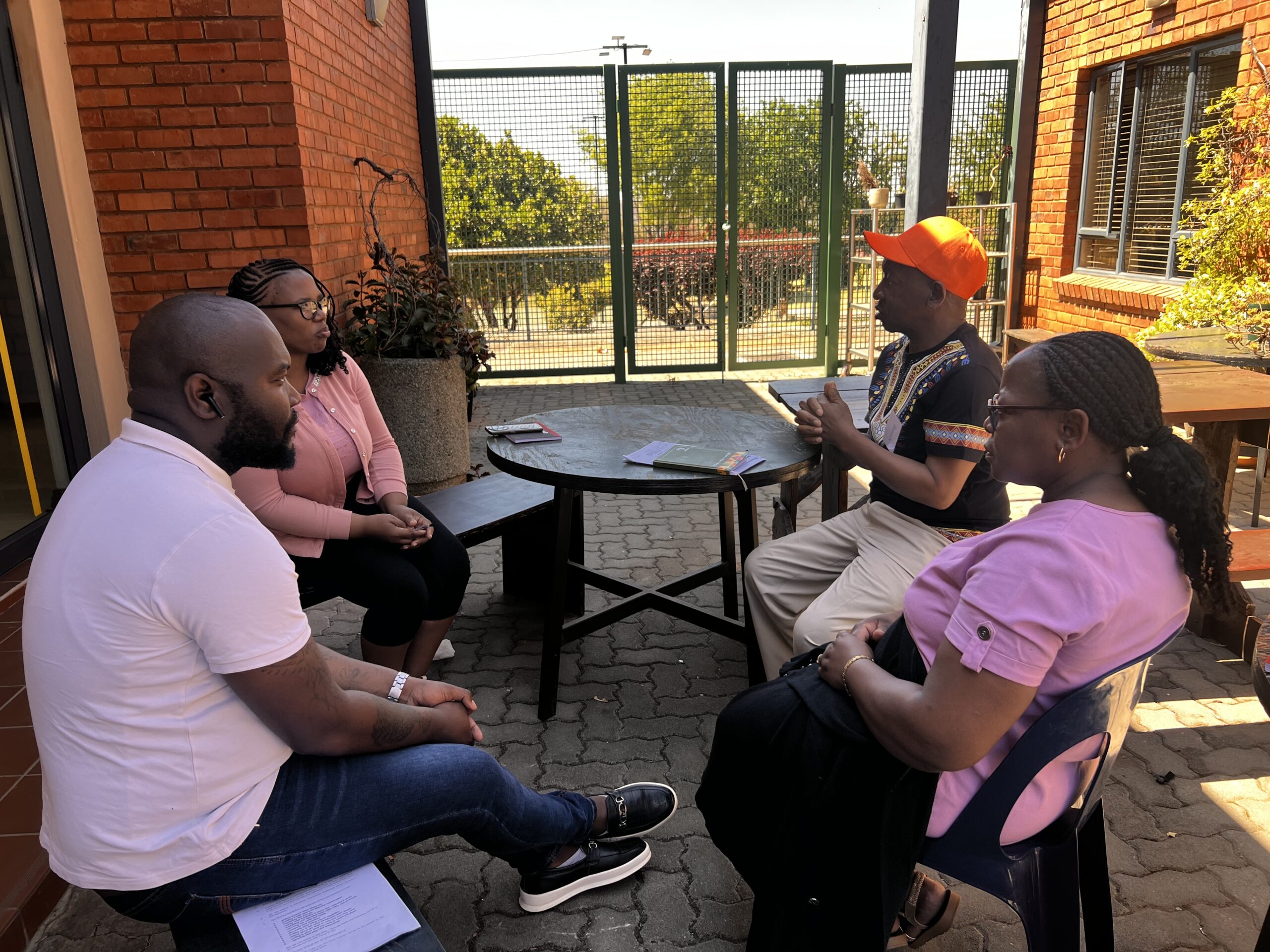
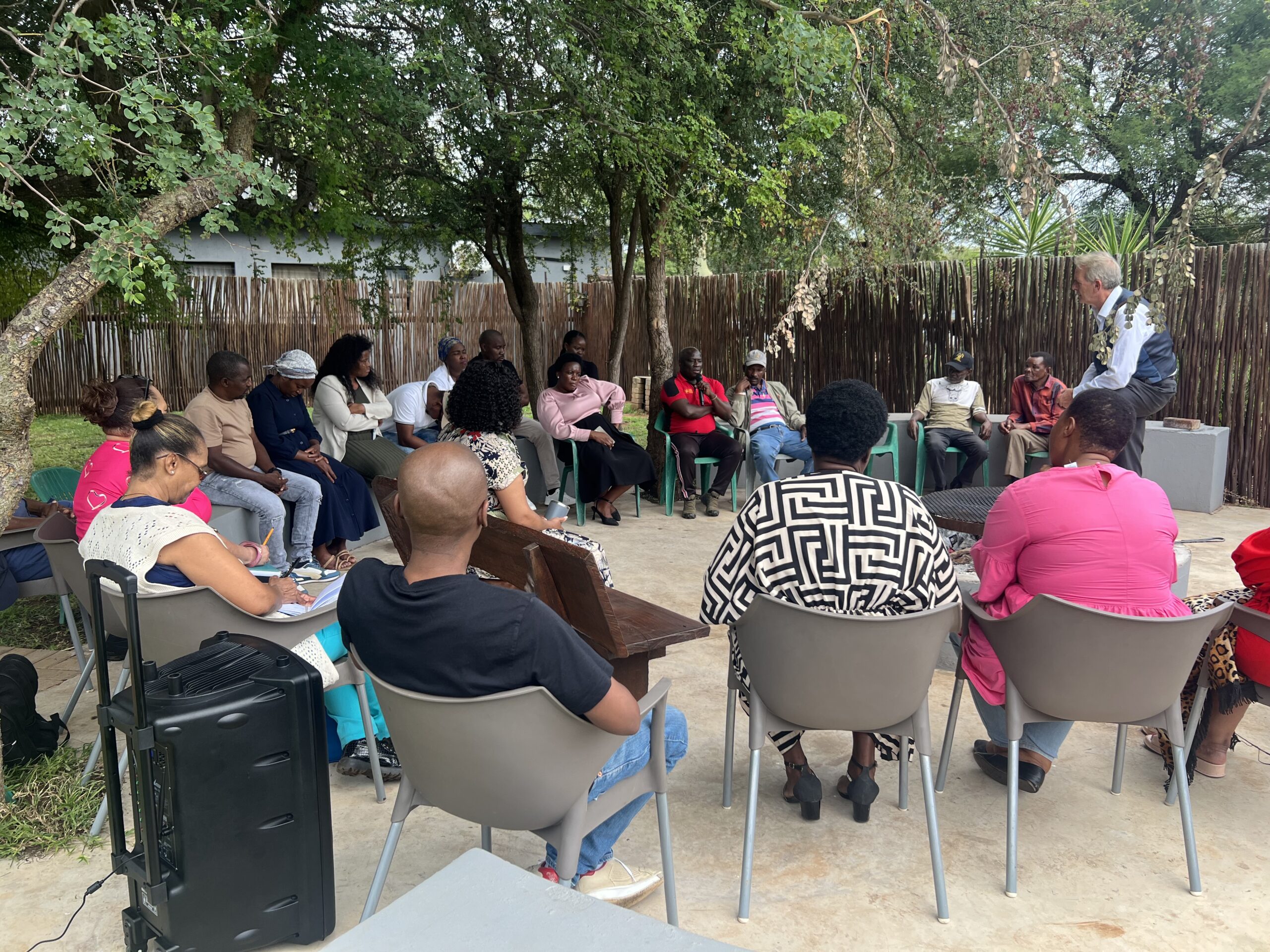
The Consolidated Dialogue Findings and Strategic Learning Report (2023–2025) brings together two years of structured community engagement — including dialogue circles, school holiday programmes, thematic interventions, and transect walks — to present a grounded, credible evidence base on the realities facing communities in the Northern Cape. The work was funded by the Peace Humansrus Trust.
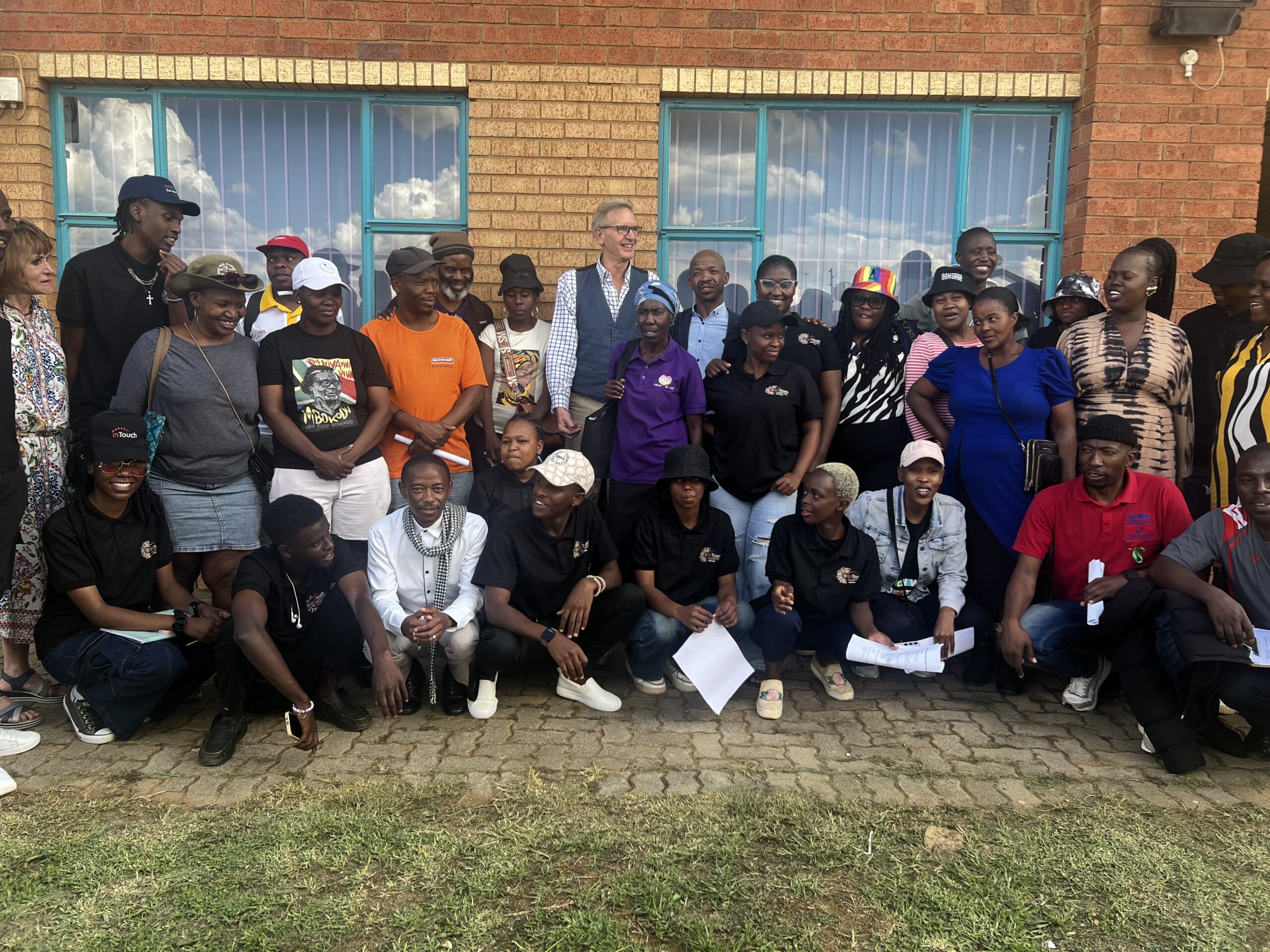
Led by Khulisa Social Solutions, in partnership with four community-based organisations — Blessed Is the Hand That Gives, Tsantsabane Skills Development Centre, Saving Lives Danielskuil, and Kgatelopele Youth Development Forum — the report elevates lived experience as legitimate evidence for planning, coordination, and investment.
“What communities are telling us is unmistakable,” says Lesley Ann van Selm, Managing Director of Khulisa Social Solutions.
“Violence, substance abuse, school dropout, mental distress and conflict are not isolated problems. They are systemic, spatial, and deeply interconnected. If we do not address place, systems, and coordination together, we will continue to treat symptoms instead of causes.”
BEYOND TALK: WHY DIALOGUE AND TRANSECT WALKS MATTER
Unlike conventional studies, the report treats dialogue not as anecdote, but as structured narrative evidence. These dialogues are reinforced by transect walks, which physically map risk, safety, exclusion, and resilience across streets, routes, facilities, and service points.
This combined approach reveals how unsafe pedestrian routes, poor lighting, and abandoned infrastructure intensify vulnerability to gender-based violence; how school holidays and evenings become predictable high-risk periods for youth; and how community-based NGOs operate as de facto service providers amid institutional gaps.
The findings show that infrastructure is not neutral. Neglected spaces actively produce harm, while functional communal spaces offer protection.
KEY FINDINGS THAT DEMAND A RETHINK
Across both towns, the evidence is consistent and compelling:
- Social harms are systemic and mutually reinforcing, not isolated
- Children and youth face disproportionate risk, especially during unsupervised periods
- Community trust in NGOs remains strong, while frustration with institutional responses is widespread
- Dialogue itself functions as a protective intervention, breaking silence and restoring dignity
- Capacitated NGOs become stabilising anchors within high-risk environments
WHAT WORKS: A CLEAR PATH FORWARD
The report moves beyond diagnosis to offer practical, actionable guidance for funders, government, and corporate partners, including:
- Designing place-based interventions informed by spatial diagnostics
- Aligning social programmes with targeted infrastructure investment
- Strengthening NGO ecosystem leadership, not only project delivery
- Prioritising safe, youth-centred communal spaces during high-risk periods
- Institutionalising dialogue as a governance, learning, and coordination tool
- Investing in developmental monitoring systems that promote learning and accountability
A CALL TO COORDINATED ACTION
The report concludes that programmes focused solely on behaviour change, without addressing environmental, spatial, and systemic realities, will continue to fall short.
This body of evidence offers a rare foundation for coordinated, system-aware action — grounded in how communities actually live, move, and survive. As South Africa confronts escalating gender-based violence, youth vulnerability, and diminishing returns on fragmented social investment, the report calls for a decisive shift toward integrated, place-based collaboration.
See link to full report:
https://khulisa.org.za/consolidated-dialogue-findings-and-strategic-learning-report/
About us
For over two decades, Khulisa has been at the forefront of restorative justice and peace-making in South Africa, pioneering innovative approaches that restore dignity, rebuild trust, and transform conflict into collaboration. From its early work in prisons and schools to today’s nationwide community-based dialogue circles, Khulisa has consistently demonstrated that justice is not only about law, but about healing relationships and strengthening the social fabric. By embedding restorative practices into communities, Khulisa has cultivated thousands of peacebuilders who turn lived experiences into solutions—laying the foundation for a more cohesive, resilient, and hopeful society.
For more information, contact:
Lesley Ann van Selm | Managing Director and Founder
Khulisa Social Solutions
082 601 2299

