MEDIA RELEASE
KHULISA USES WORLD HEART DAY TO CALL FOR A MORE CONNECTED RUSTENBURG DEVELOPMENT SYSTEM
Rustenburg, 02 October 2026
FOR IMMEDIATE RELEASE
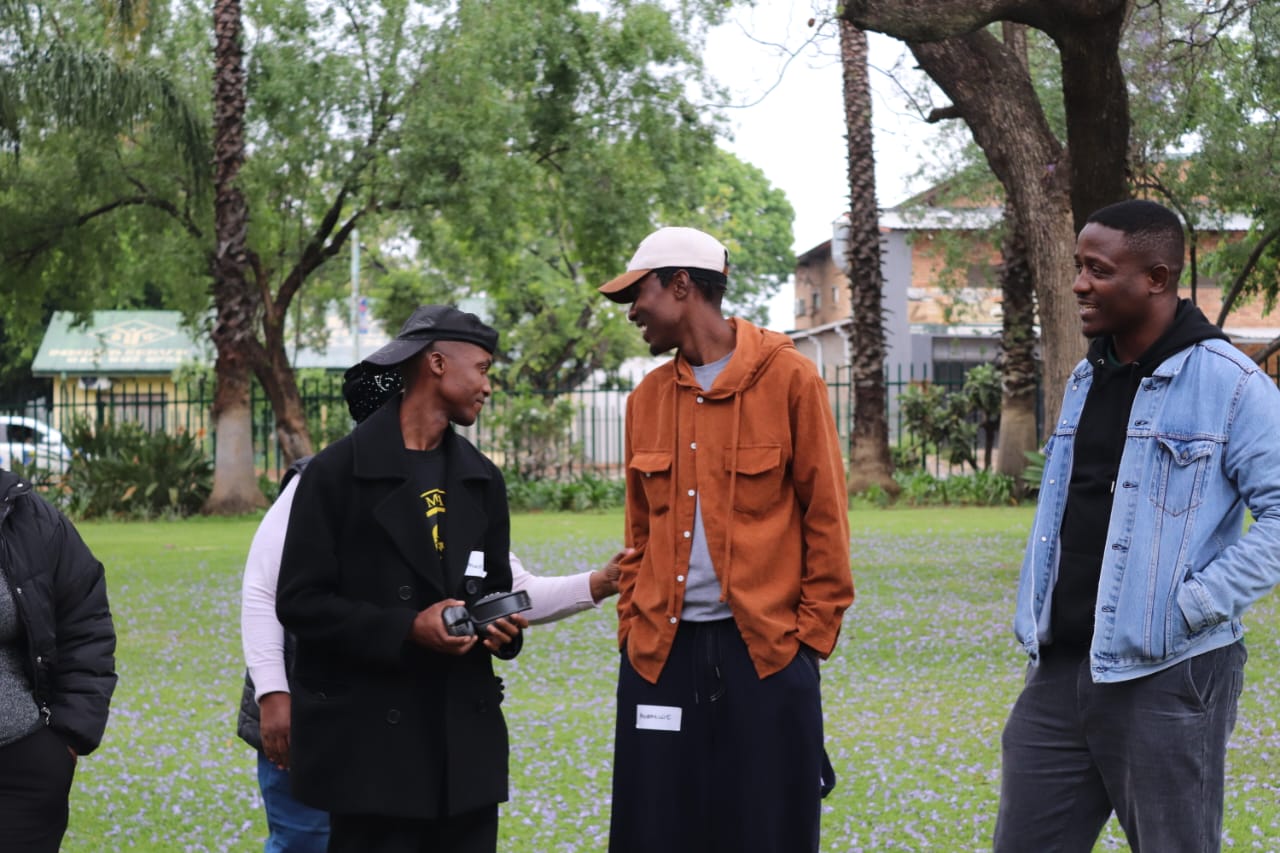
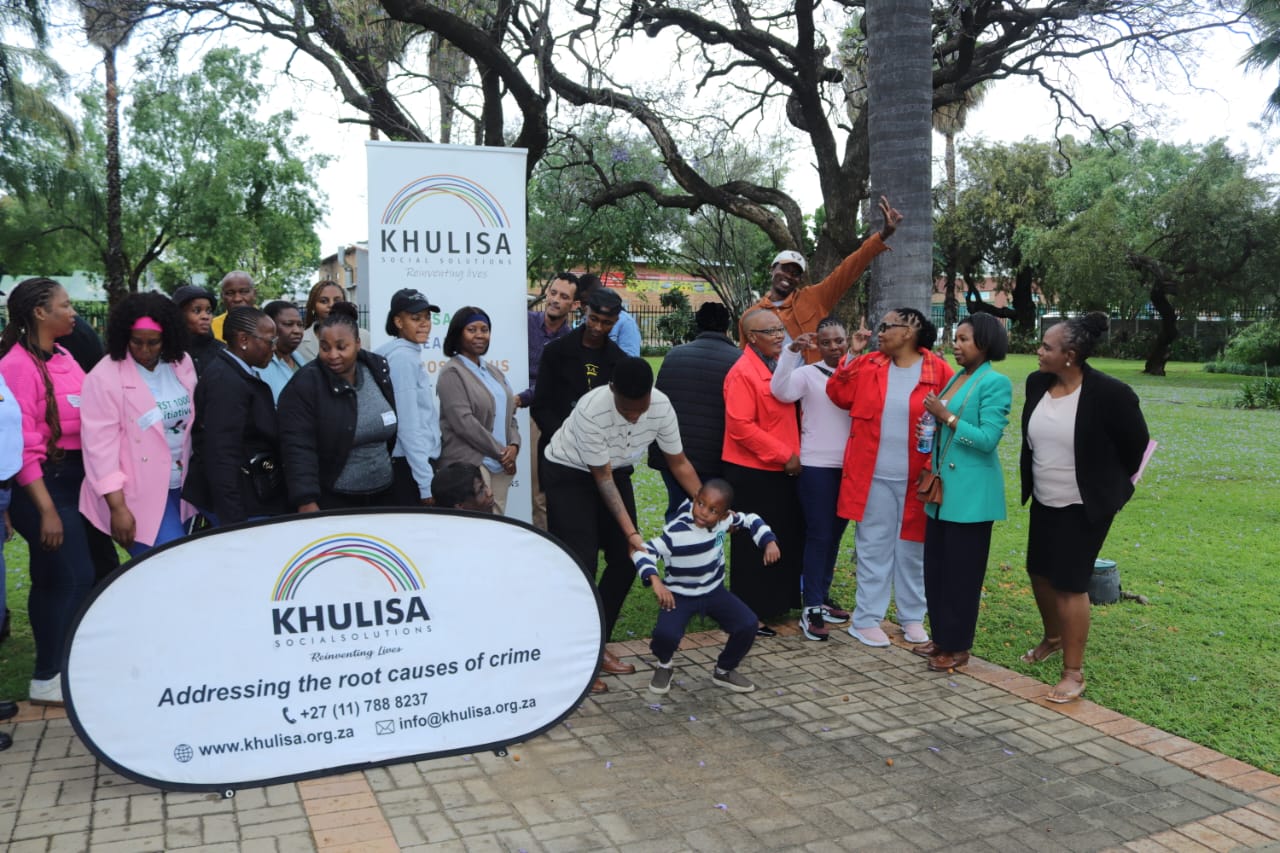
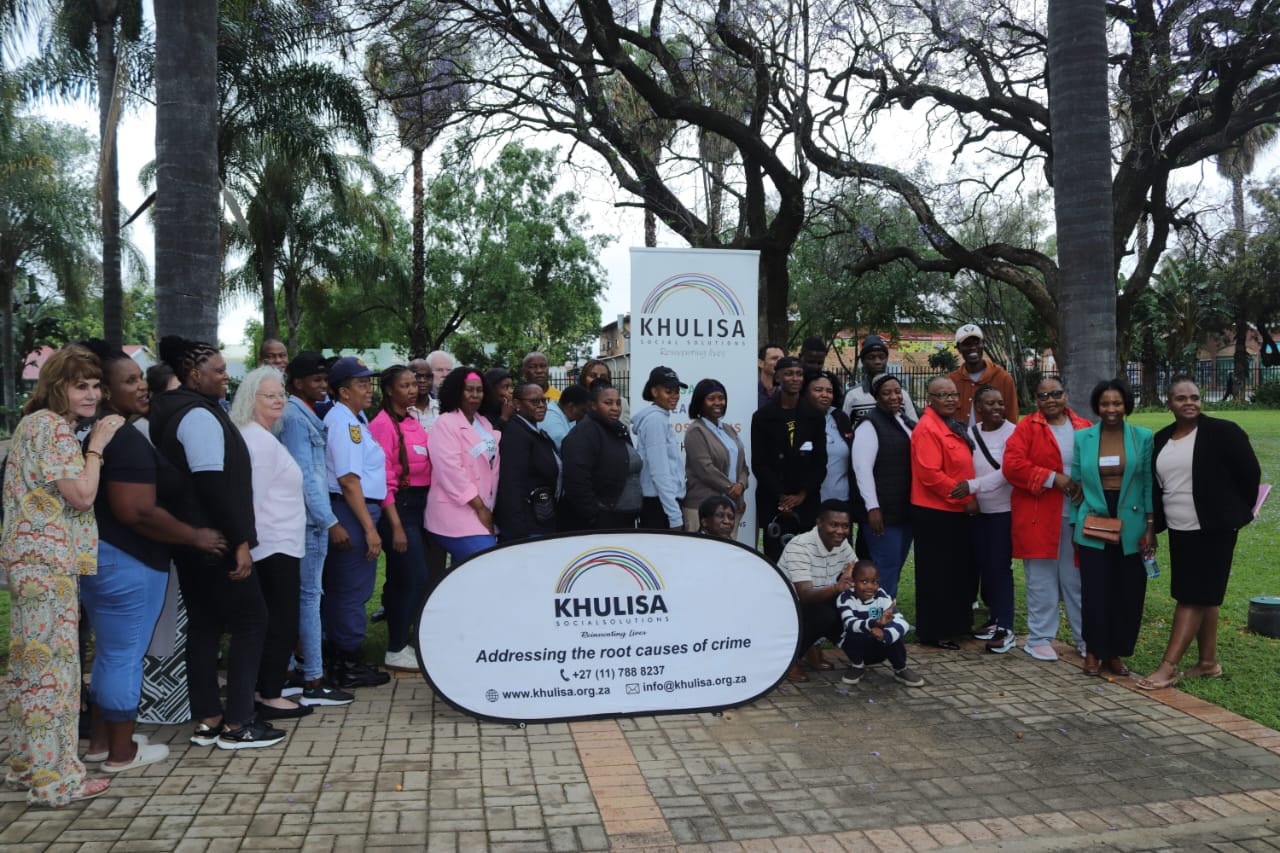
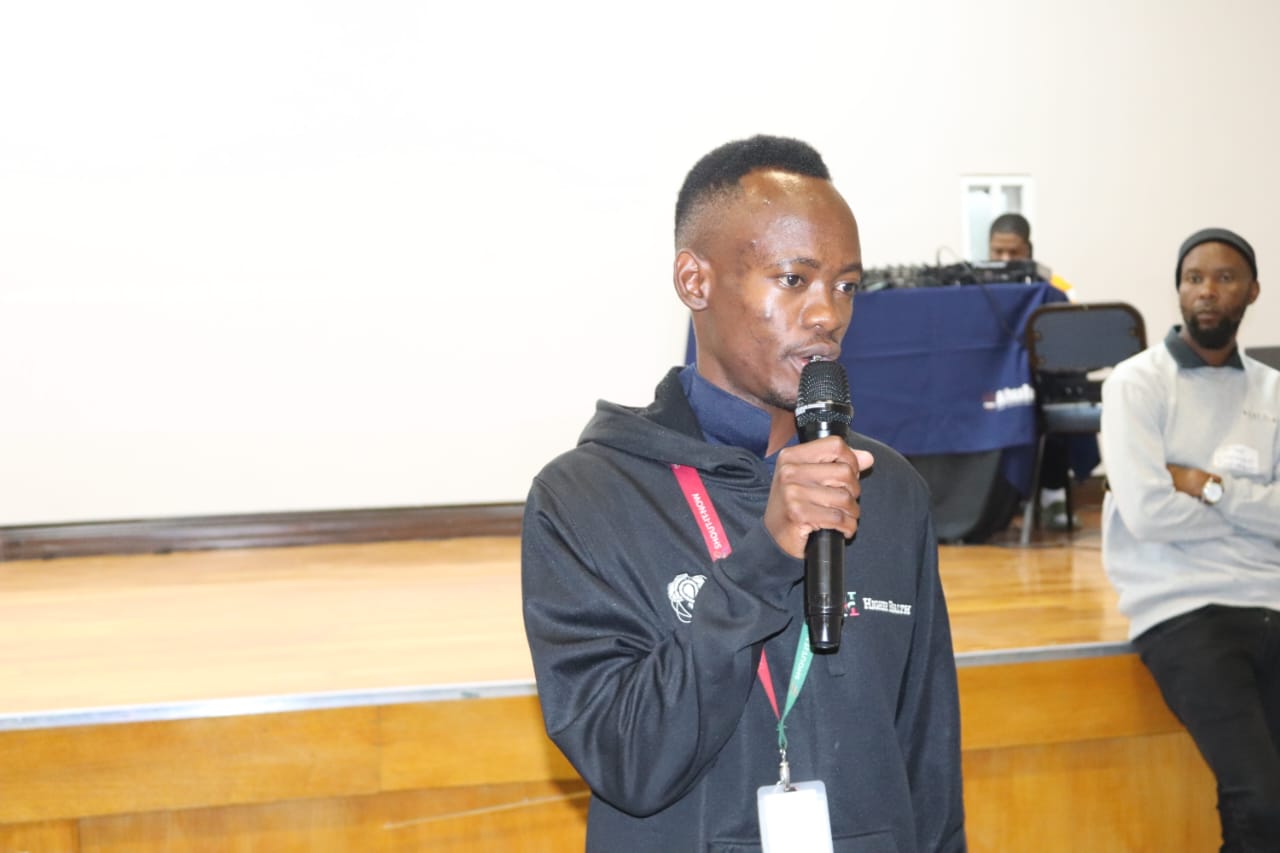
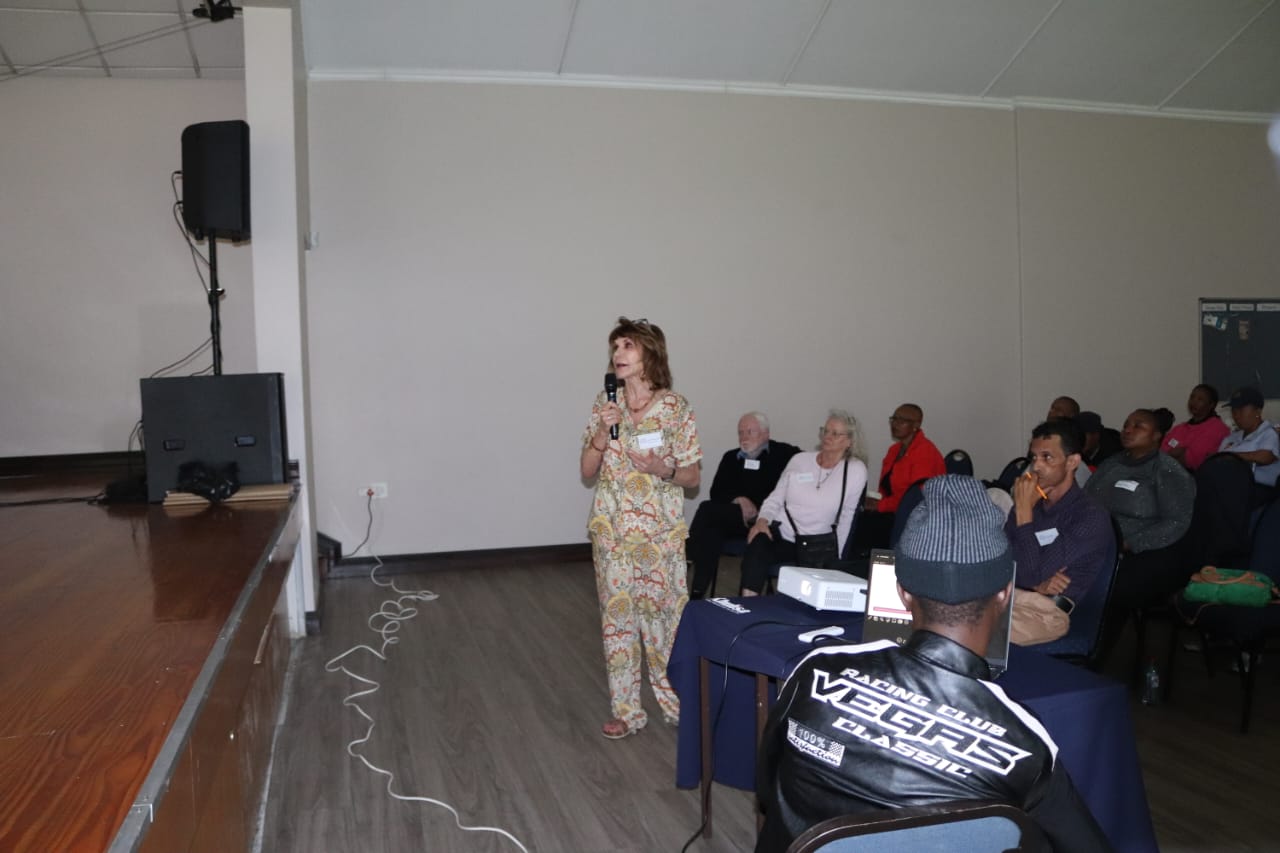
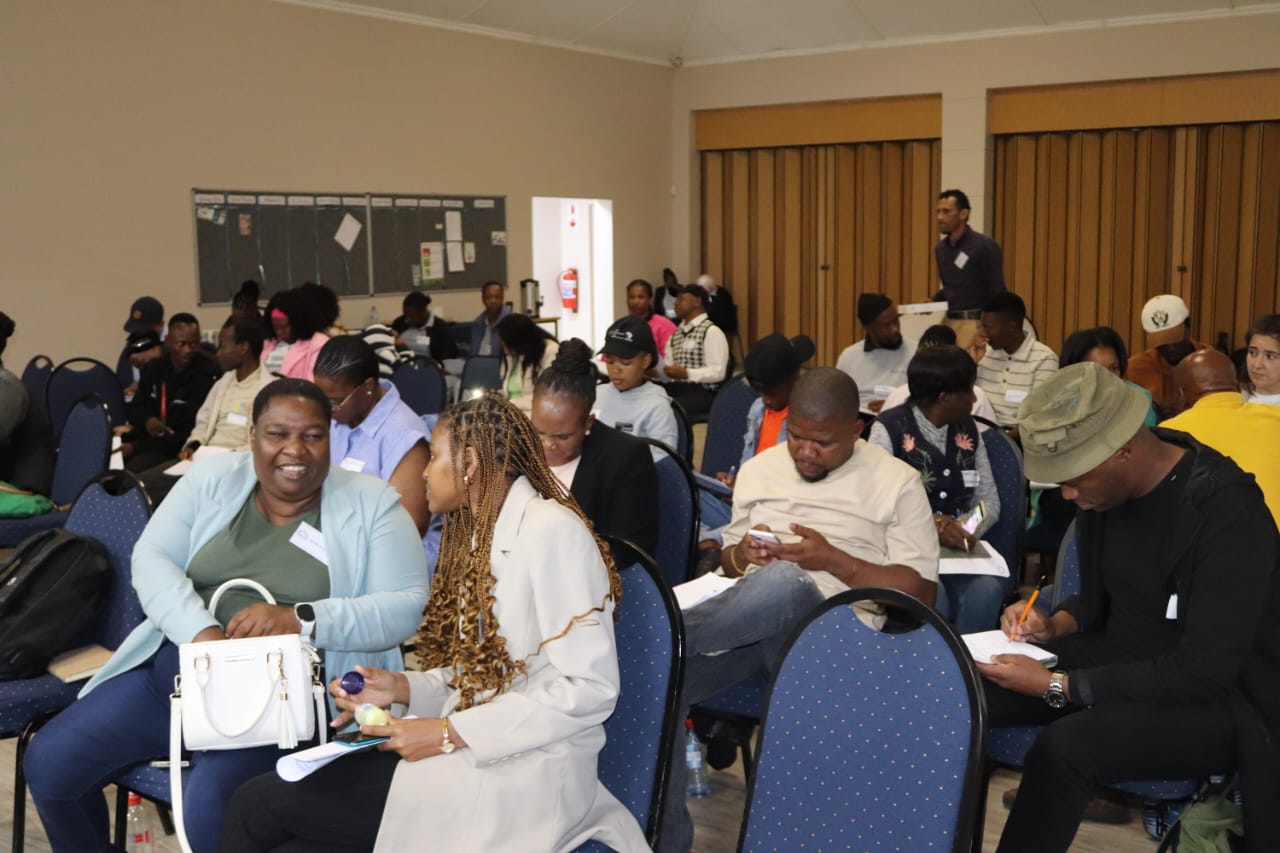
Khulisa Social Solutions marked World Heart Day through its H.E.A.R.T. Year 1 Impact Event, Heartbeat Rustenburg 2026, funded by the Sibanye Rustenburg Community Development Trust, calling for a more connected, evidence-led response to Rustenburg’s social challenges.
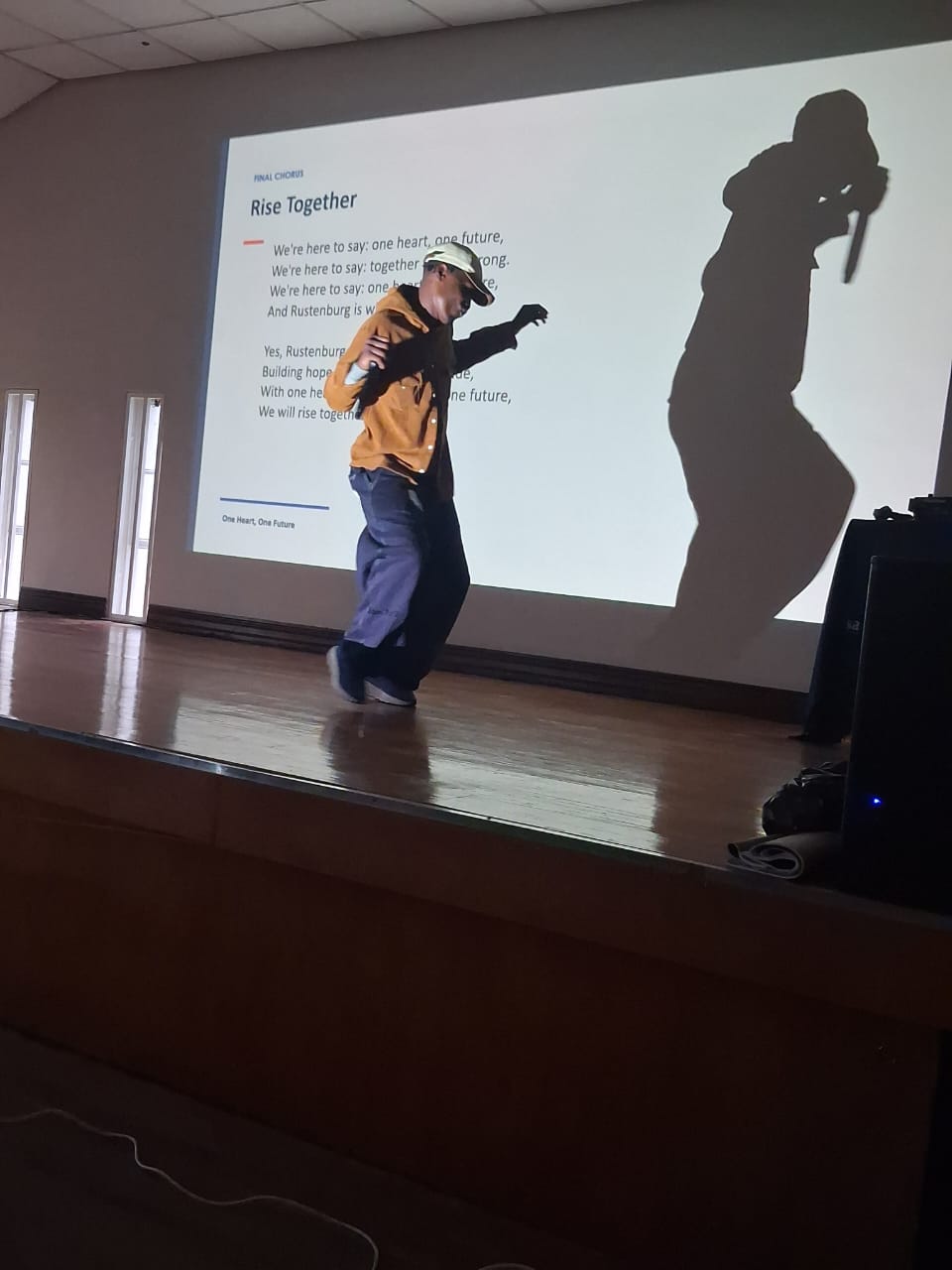
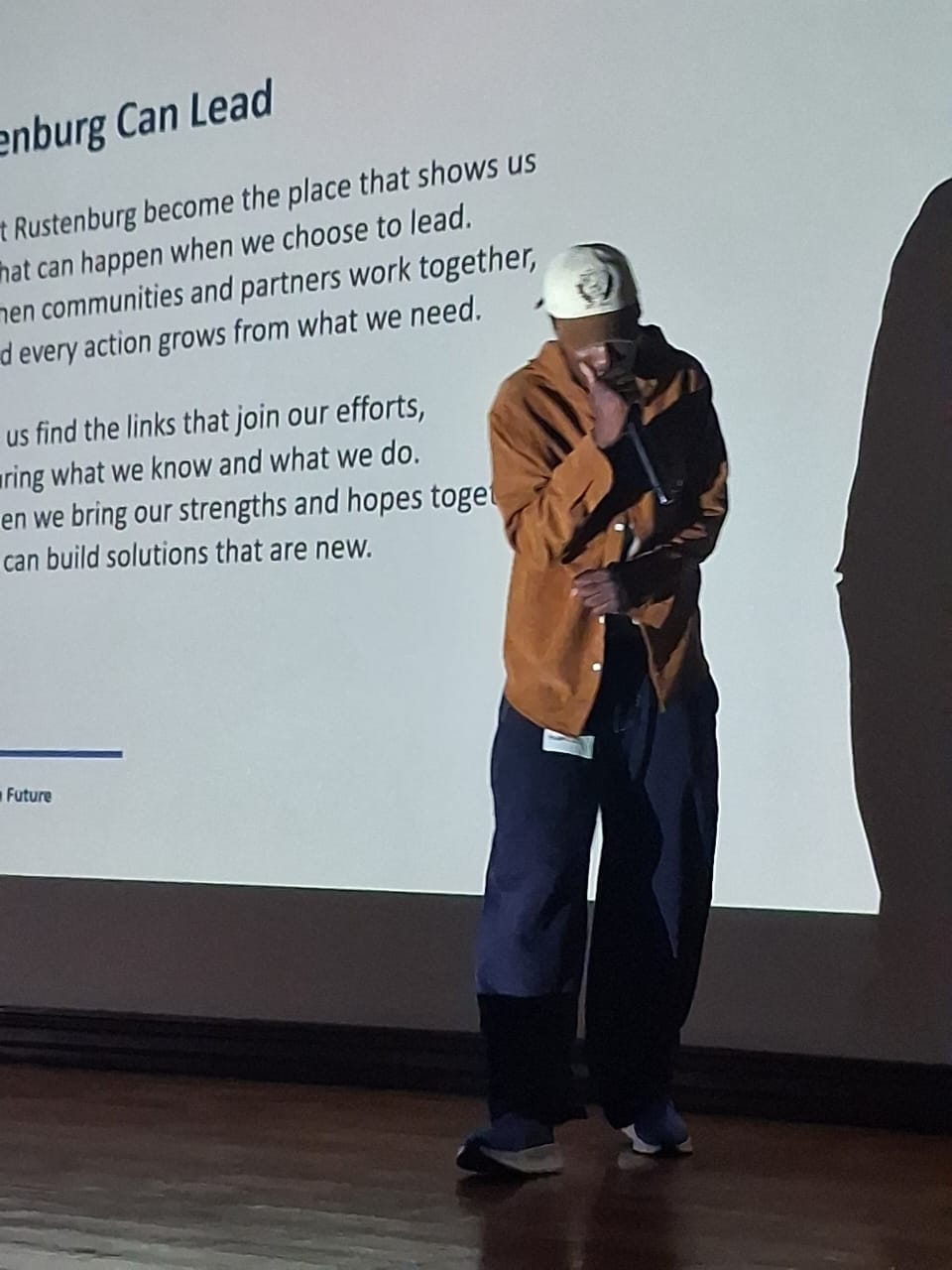
The event opened with a special song, “One Heart, One Future,” performed by AJ/Aobakwe, a Khulisa diversion graduate. The song captured the spirit of the day: bringing together community voices, partners, NGOs, and local leaders to restore trust, strengthen social cohesion, and turn shared challenges into collective action.
Under the theme “One Community. One Heart. One Future.”, the event focused on a central finding from Khulisa’s work in Rustenburg: communities are not short of effort, organisations or interventions. What is missing is alignment.
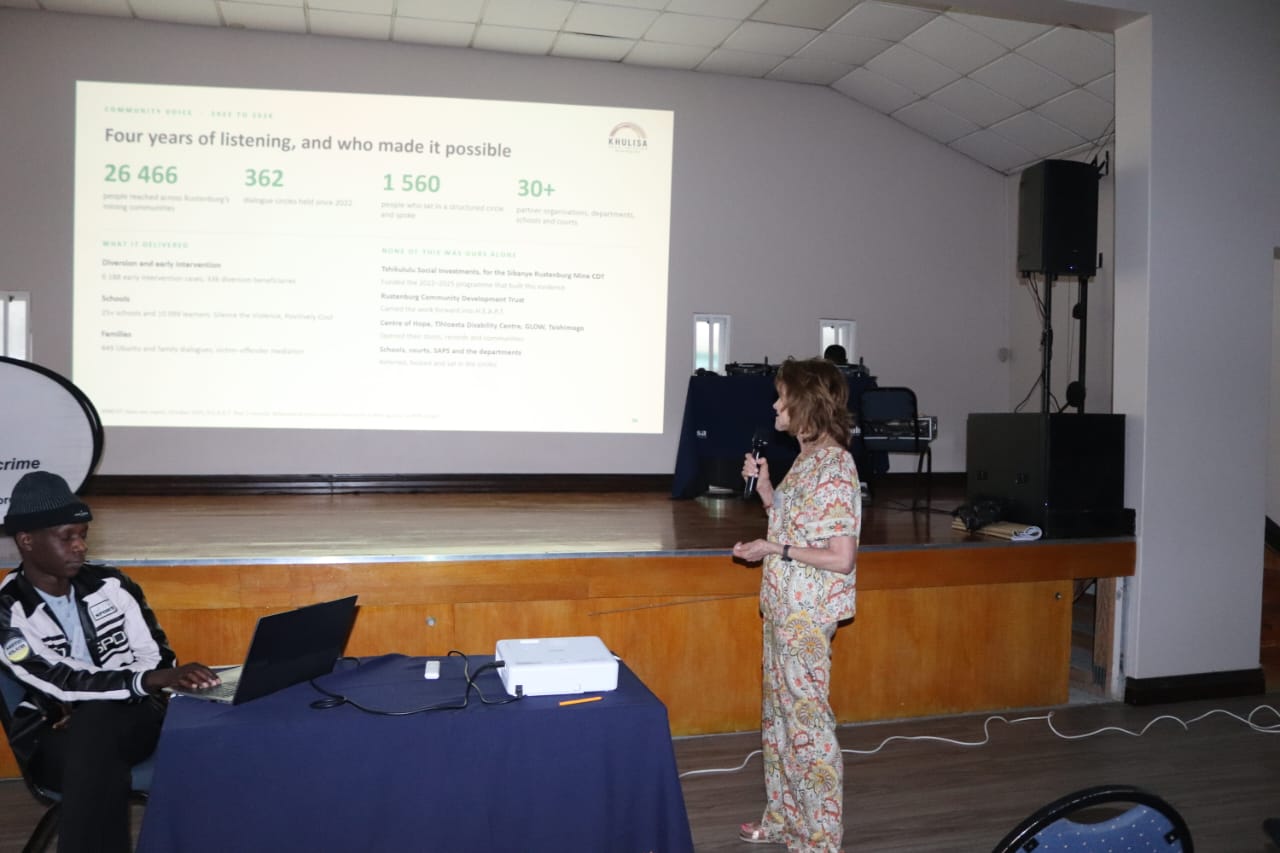
Over the past four years, Khulisa and its partners have reached 26,466 people across Rustenburg’s mining communities, facilitated 362 Dialogue Circles, and enabled 1,560 people to participate in structured community conversations. Between July 2025 and July 2026 alone, Khulisa facilitated 13 Dialogue Circles with 886 participants on issues including gender-based violence, youth unemployment, senior citizens, conflict, men’s mental wellness, trauma, unemployment, environmental challenges and women’s economic empowerment.
Despite the different topics, the same root causes kept emerging. Across the 13 conversations, communities repeatedly named unemployment and economic exclusion, family breakdown, trauma and unresolved grief, inadequate psychosocial support, isolation and silence, substance abuse, skills gaps, service delivery failure and limited ability to affect change.
Khulisa’s presentation showed that Rustenburg’s challenge is not simply a lack of services, but a fragmented system in which many actors are working hard, often with limited visibility of one another’s efforts. One family may be counted by five different organisations, through five different intake forms, with five different files, yet still have no shared support plan.
The presentation also highlighted the scale of fragmentation in the wider development landscape. South Africa has 295,051 registered non-profit organisations, yet approximately 69% had not filed the annual report required by law. In Rustenburg, researchers identified around 25 organisations across mine-host communities, but only four had dated evidence of being active today. At the same time, significant investment flows into social development, including R1.85 trillion in state spending on five social functions, R13.1 billion in corporate social investment, and an estimated R4.9 billion in mining social investment in its communities.
Yet there is no consolidated investment map showing who is investing where, in what, for how long, through which implementer, and against which outcome.
“This is the heart of the problem,” Khulisa said. “Rustenburg does not lack effort. The beat Rustenburg keeps missing is connection.”
The H.E.A.R.T. event presented Khulisa’s Collaborative Implementation Model, which brings community voice, existing research, socio-economic data, community assets, government plans, corporate and mining investment, NGOs, local businesses and systemic blockages into one shared evidence base. The model is designed to help stakeholders see the whole community before funding or implementing projects.
The aim is to move from duplicated activity to coordinated action. Instead of measuring only money spent, projects delivered, or beneficiaries reached, Khulisa is calling for partners to measure what changes in people’s lives, whether commitments are kept, and whether collective investment shifts outcomes over time.
Communities themselves proposed practical responses, including psychosocial support, parenting and family dialogue, skills linked to real opportunities, better use of unused community spaces, engaging men and boys in violence prevention, strengthening first responders, and connecting retired professionals such as nurses, teachers and engineers to community needs.
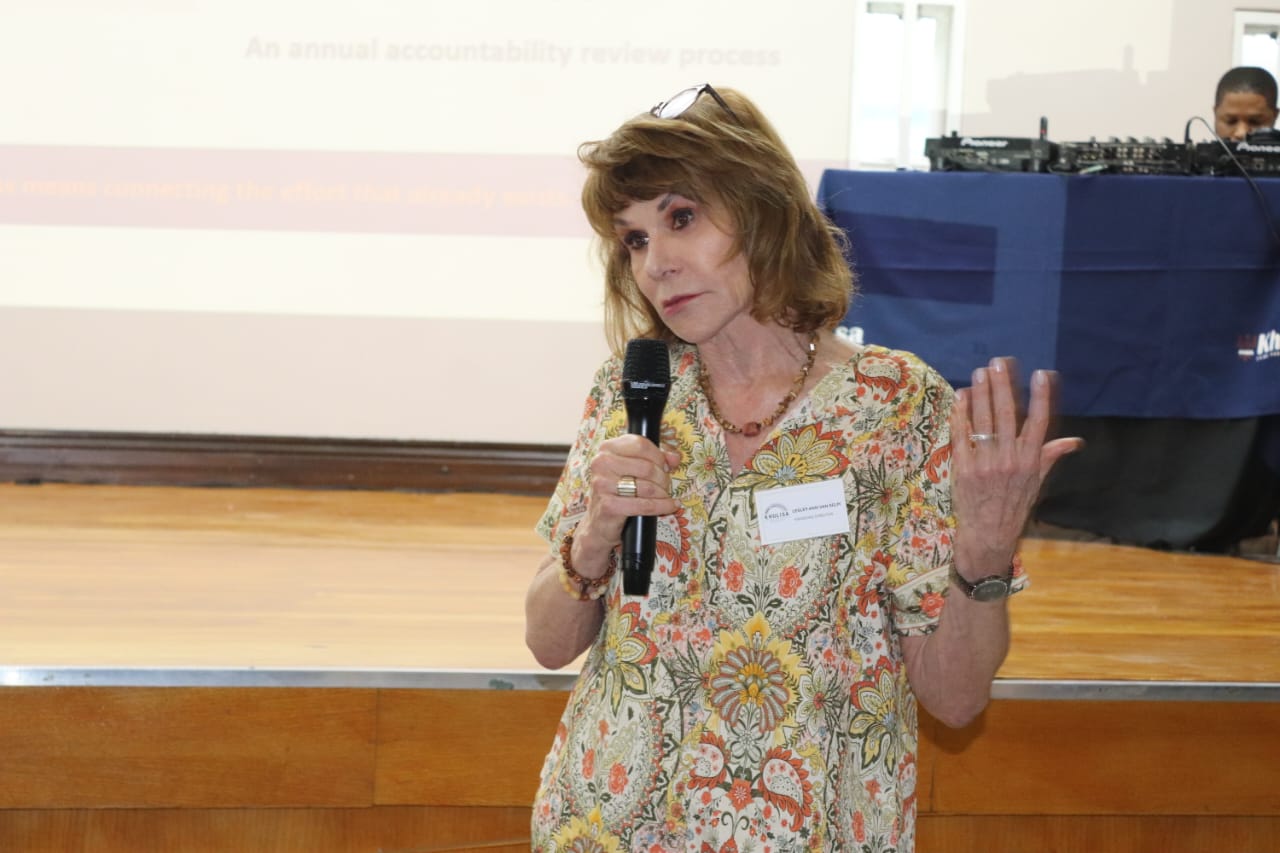
By September 2027, Khulisa aims to support Rustenburg stakeholders towards a shared evidence base, a community evidence dashboard, a stakeholder investment map, a verified NGO/CBO database, a commitment tracking system and an annual accountability review process.
The message of the day was clear: no single organisation can solve Rustenburg’s challenges alone. But with shared evidence, visible investment, aligned commitments and measurable outcomes, Rustenburg can begin to move forward as one community, with one heart and one future.

About us
Khulisa Social Solutions is a South African social cohesion and community development organisation founded in 1997. The organisation works nationally to strengthen vulnerable communities through restorative practices, NGO capacity-building, dialogue processes, youth development, psychosocial support, skills development, and collaborative ecosystem partnerships. Khulisa’s work focuses on addressing the systemic root causes of social dysfunction by building stronger relationships among communities, government, civil society, and the private sector.
For more information, contact:
Lesley Ann van Selm | Managing Director and Founder
Khulisa Social Solutions
082 601 2299