
MEDIA RELEASE
Emerging Evidence Shows Communities Leading Change to Address Deep-Seated Barriers
Monday, 14th July
FOR IMMEDIATE RELEASE
South Africa is strewn with the remnants of development projects that promised change but achieved nothing. Billions of rand have been spent on top-down initiatives that leave rural communities exactly where they began: unemployed, hungry, traumatised, and overlooked.
In a rural mining village near Venetia Mine in Limpopo, these issues are personal and daily. Youth unemployment is disastrous. Gender-based violence wounds families and communities.
Substance abuse and teenage pregnancy trap generations in cycles of poverty. Food insecurity is not just a policy concern but the harsh reality of empty plates and desperate choices.
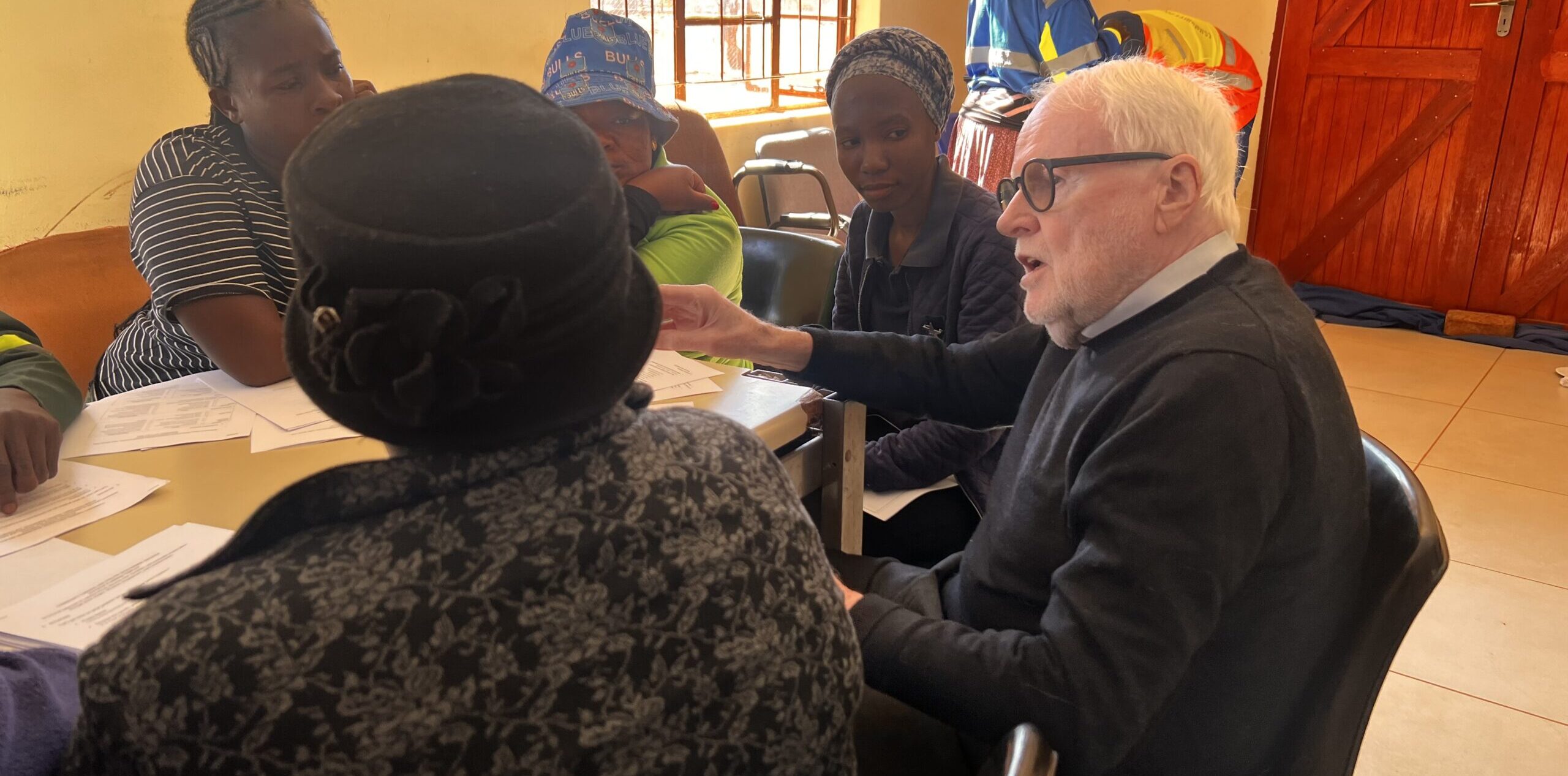
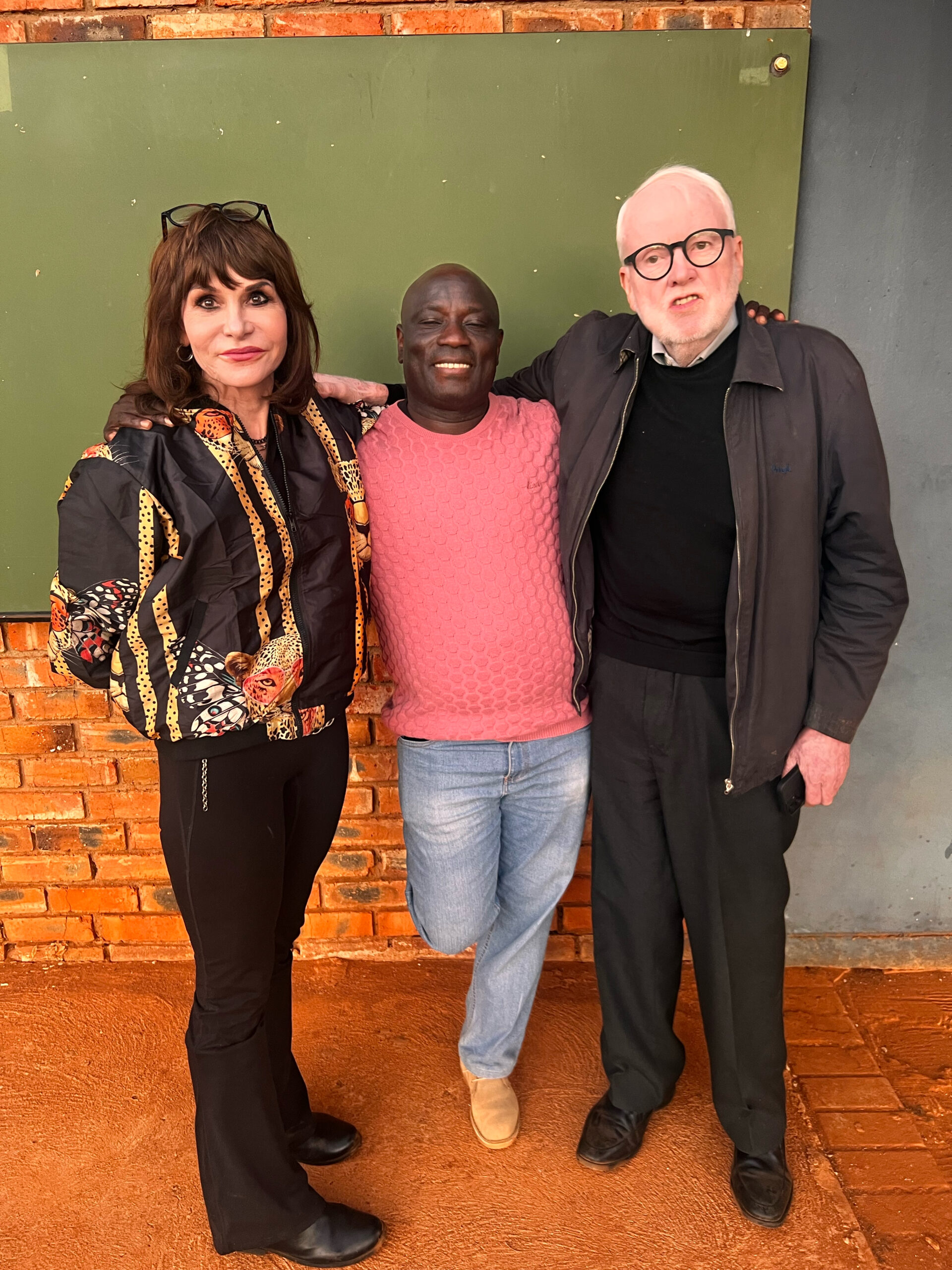
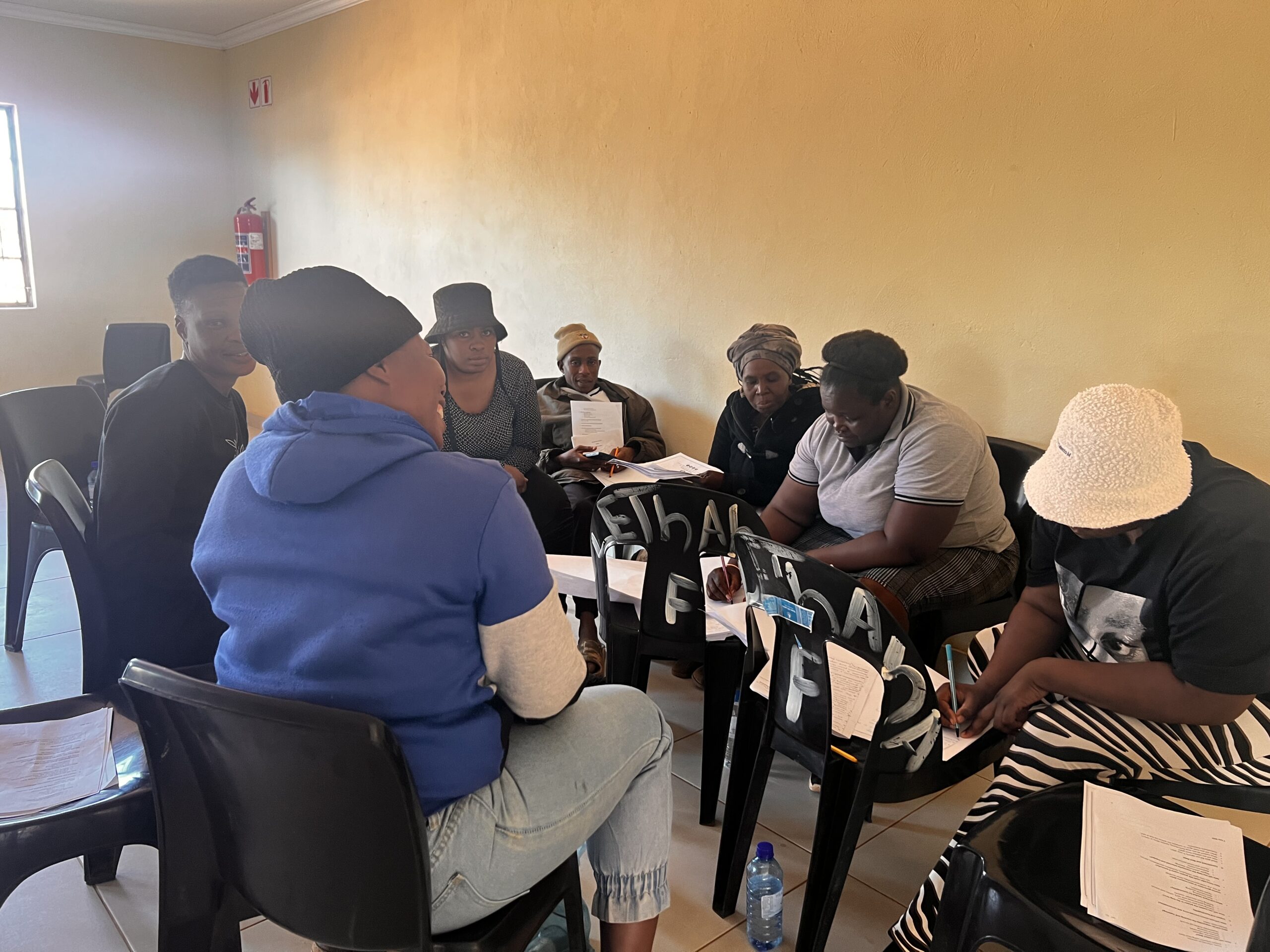
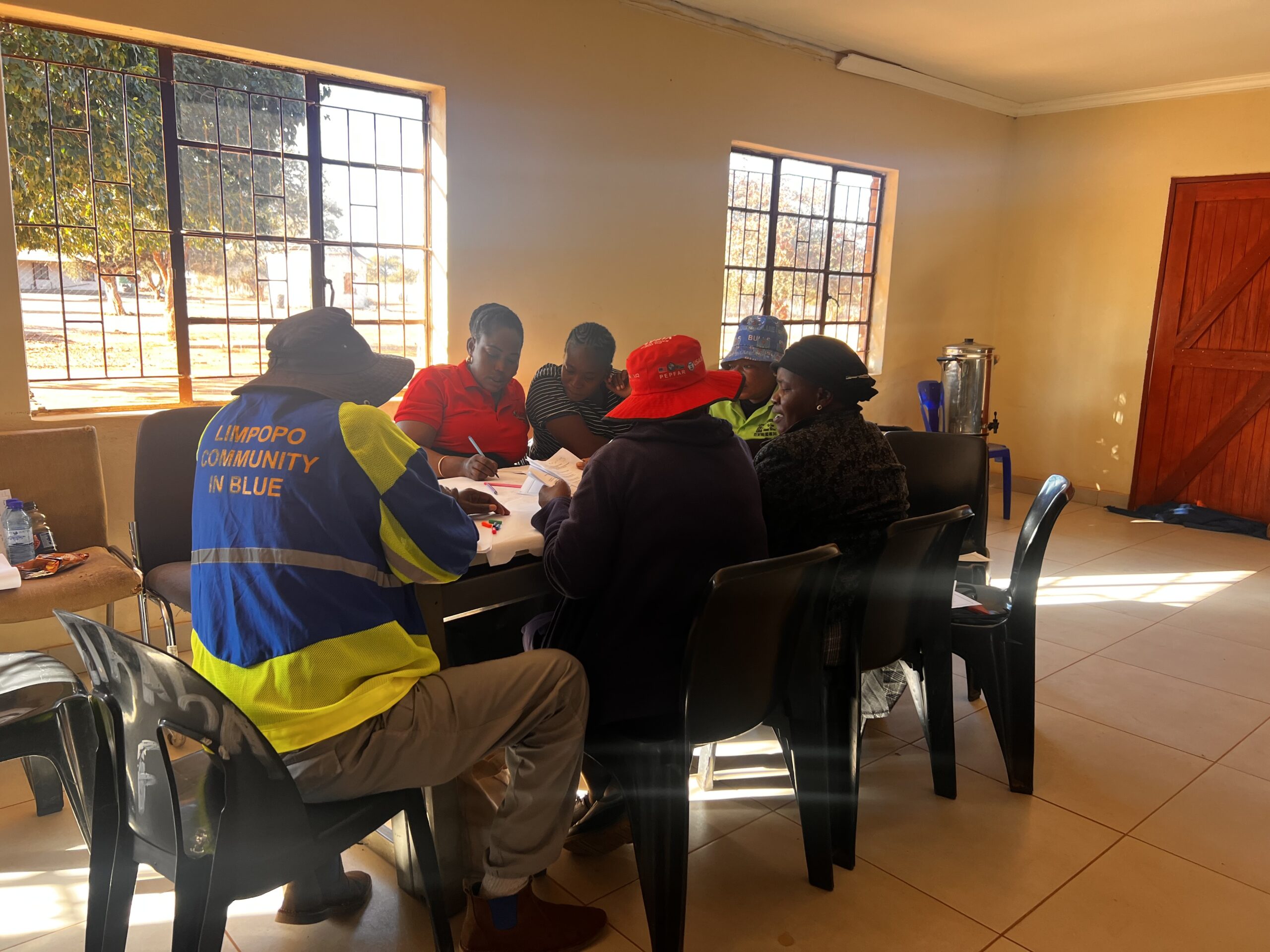
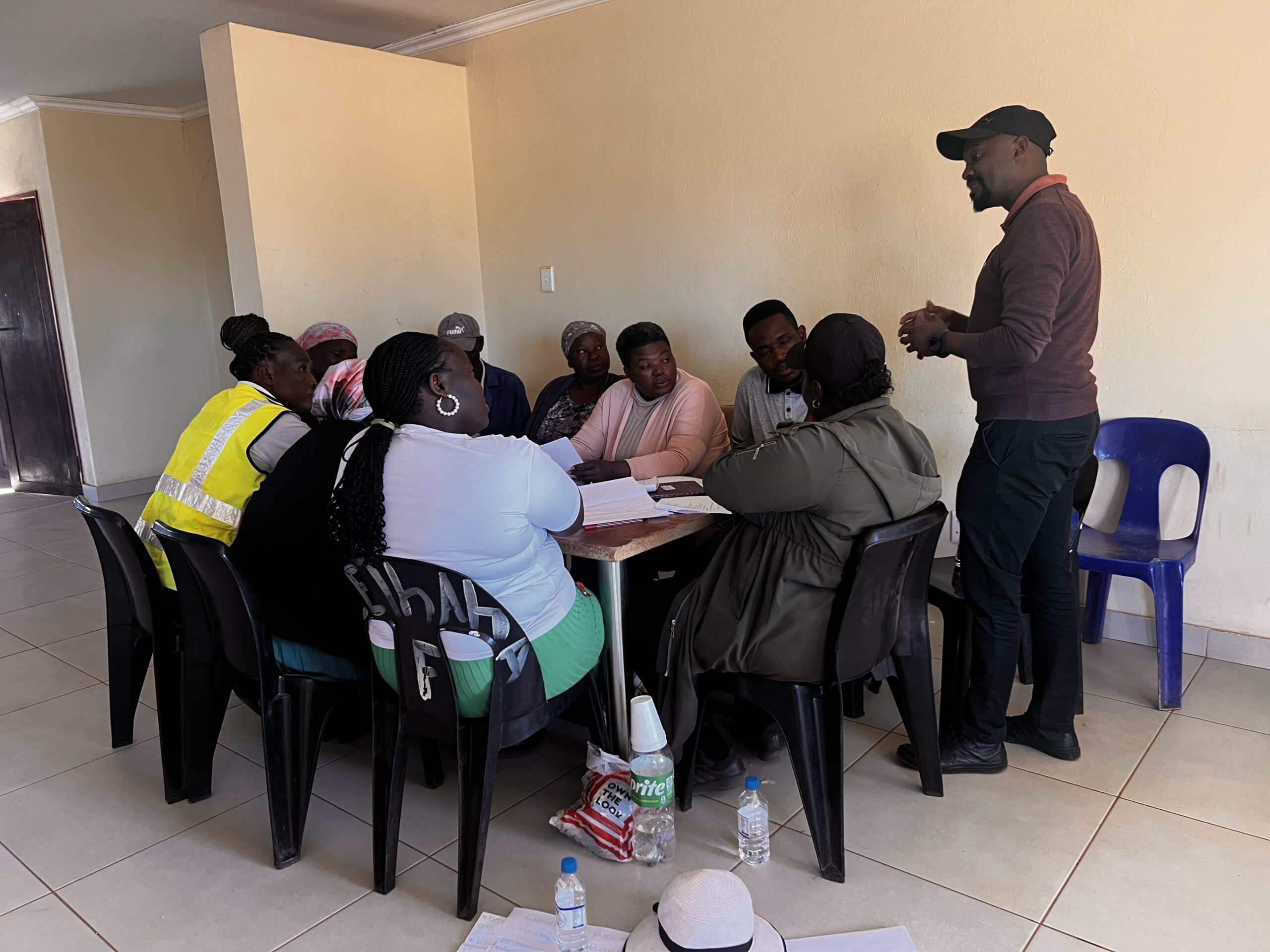
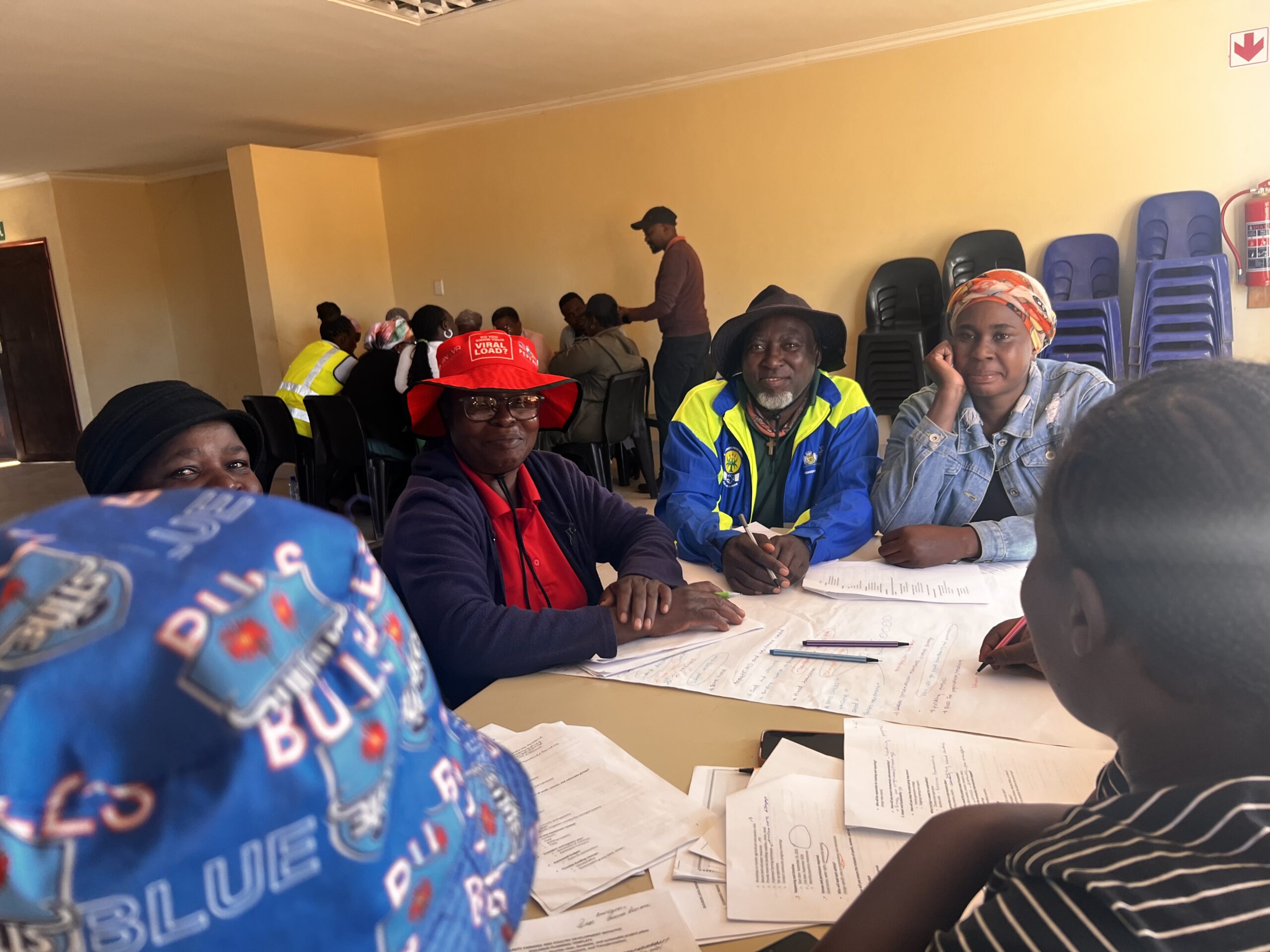
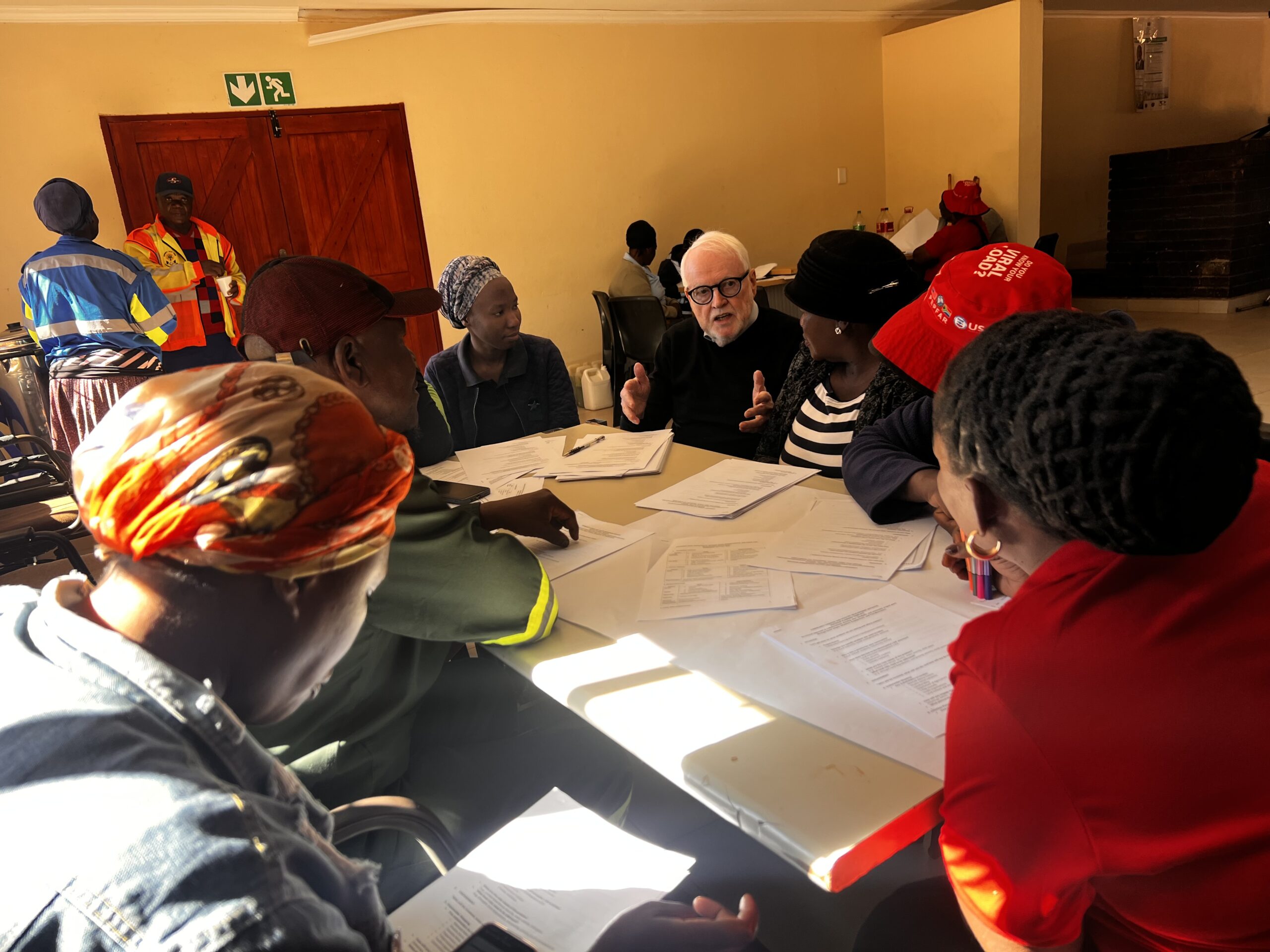
Against this backdrop of systemic neglect and ineffective spending, Khulisa Social Solutions chose a different approach. We decided to trust the people experiencing these realities to define their own solutions. Over the past three months, in partnership with the Mamadi Advice Centre, we have been working closely with local communities. Through various workshops and developmental processes, genuine solutions have started to take shape—designed by the community itself, for the community itself.
These workshops were not mere box-ticking exercises or photo opportunities. They served as spaces where people openly discussed violence and silence, the humiliation of unemployment, and children growing up with no hope. Narrative Therapy methods helped participants see these issues as shared social challenges—not personal failings—and equipped them with tools to name, understand, and address them collectively.
Systematic Inventive Thinking techniques assisted communities in designing creative, practical responses using local resources and knowledge. The Collaborative Implementation Model ensured these ideas were transformed from flipcharts into clear, costed, structured plans with actionable pathways.
The result, in just three months, is four strong, community-led, investment-ready projects. They will not only address symptoms but also tackle root causes. They will fight gender-based violence through local survivor support groups, positive masculinity workshops, and genuine referral networks.
They will combat youth unemployment with after-school education, facilitator training, and school partnerships that provide essential skills and opportunities. They will reduce substance abuse and teenage pregnancy through peer support, early intervention, and awareness campaigns based on local experience. Additionally, they will create jobs and food security through community- managed farming and poultry production, generating sustainable income and strengthening local economic resilience.
These solutions have not been imposed from outside. They have been built with and by local people, with the direct involvement and endorsement of tribal councils, clinics, SAPS, schools, and
government departments. Local facilitators, peer motivators, and educators are already being trained to ensure these projects are not reliant on Khulisa but can be owned and managed by the
community itself.
While other interventions have spent billions without addressing the core issues, this approach has provided real, tangible, community-led solutions within just three months that are ready to be
implemented and expanded.
Khulisa is replicating this model in five provinces across South Africa, tailoring it to each community’s context while maintaining the core principle: the people facing these challenges must lead the solutions.
The question now is whether those with resources and power will finally listen and invest in real change.

About us
Khulisa Social Solutions is a South African non-profit organisation with nearly thirty years of experience in building safer, more cohesive communities through innovation, partnership, and local leadership. Our Collaborative Implementation Model (CIM) is a structured, bottom-up approach that puts communities in the driver’s seat—guiding them through asset mapping, participatory workshops, and co-design processes to develop solutions that are locally owned, sustainable, and investment-ready. We do not believe in simply delivering services to communities; instead, we aim to help communities build their capacity to create for themselves.
For more information, contact:
Lesley Ann van Selm | Managing Director and Founder
Khulisa Social Solutions
082 601 2299

