
MEDIA RELEASE
Breaking Silence: Why Dialogue Must Shape South Africa’s Future
South Africa, January 2026
FOR IMMEDIATE RELEASE
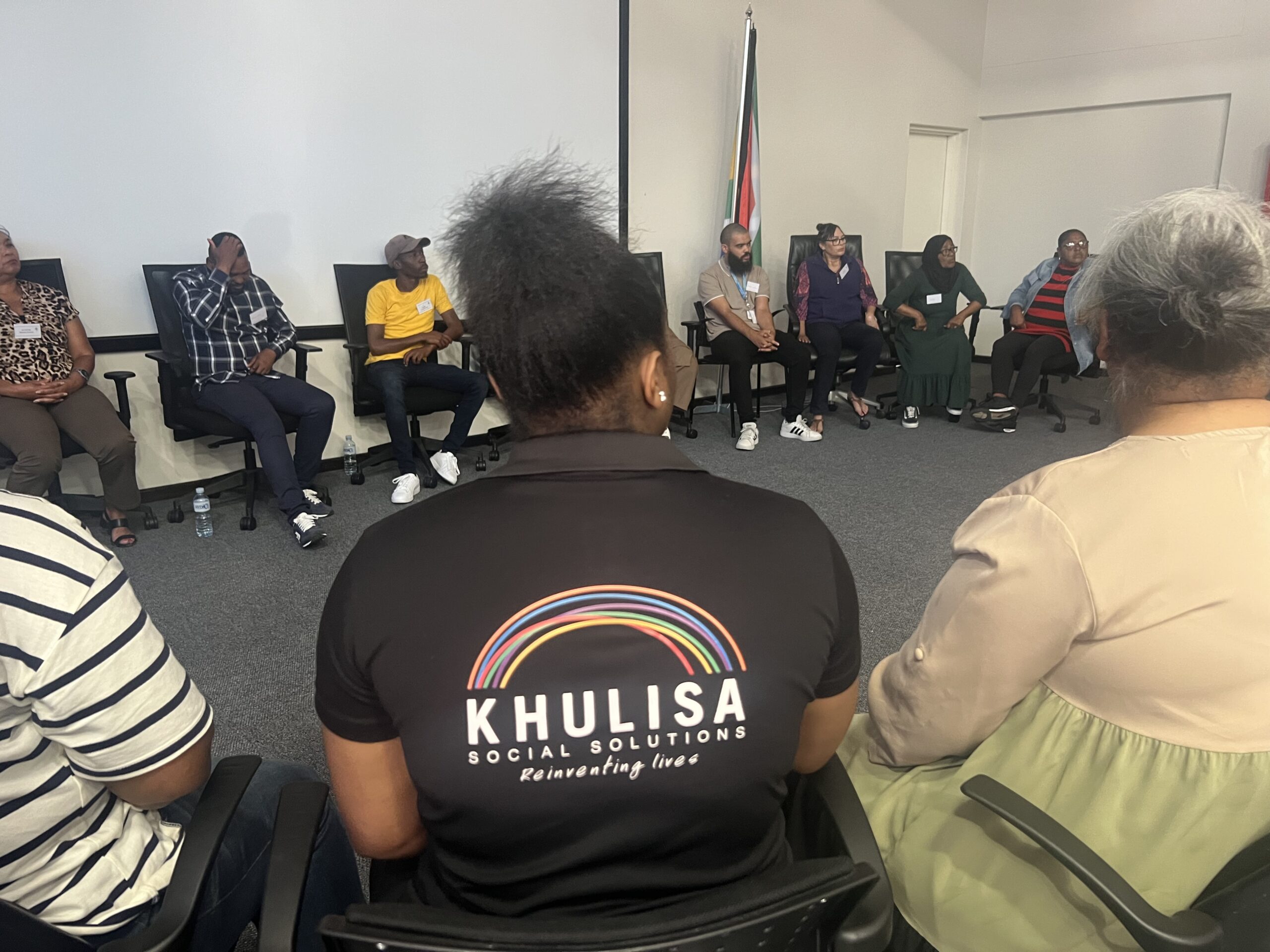
As the country begins a new year characterised by economic hardship, social division, and ongoing inequality, an increasing number of practitioners and social leaders are advocating for a fundamental shift in how change is achieved — not through more programmes added onto unchanged systems, but through dialogue recognised as a structural intervention.
Despite decades of policy reform and significant investment in development initiatives, inequality still shapes the daily lives of millions of South Africans. While resources, services, and funding remain essential, they alone have not brought about the systemic change the country urgently requires.
“The uncomfortable truth is that inequality is not only about what people lack,” says Lesley Ann van Selm, Managing Director of Khulisa Social Solutions. “It is about who is listened to, who defines problems, and whose lived experience is regarded as legitimate knowledge.”
Too often, consultation processes are merely procedural rather than truly meaningful. Community meetings are held, attendance registers filled out, and reports prepared — yet decision-making power stays the same. English dominates conversations in rooms full of other languages. Technical frameworks take precedence over lived experiences. Solutions continue to be designed for communities, instead of with them.
Under these circumstances, dialogue is often mistaken as a soft skill or a facilitation exercise — a “nice-to-have” rather than a fundamental driver of change. In reality, authentic dialogue achieves something much more meaningful.
When dialogue is practised as deep listening, it shifts attention, diminishes authority, and uncovers the unseen rules that create exclusion. It enables lived experience to challenge professional certainty and shows inequality not as personal failure, but as systemic organisation.
“No funding is promised in those rooms. No projects are launched that day,” van Selm explains. “But afterwards, decisions are made differently. Meetings change. Budgets are questioned. And people once labelled as beneficiaries begin shaping the agenda themselves.”
Dialogue, practitioners argue, does not alone solve inequality. What it does do is eliminate inequality’s greatest ally: silence. Once silence is broken, exclusion can no longer hide behind good intentions or inherited ways of working.
As South Africa navigates political realignment, economic uncertainty, and increasing pressure on social systems, there is growing recognition that the process of decision-making is just as important as the decisions themselves.
“If dialogue remains marginal, inequality will continue to evolve and endure,” van Selm notes. “If dialogue is institutionalised as a practice — not merely a process — it fosters the conditions for legitimacy, trust, and sustainable change.”
This new year, the call is not just for more intervention but for a different approach — one that recognises dialogue not as an add-on but as a fundamental enabler of systemic change.
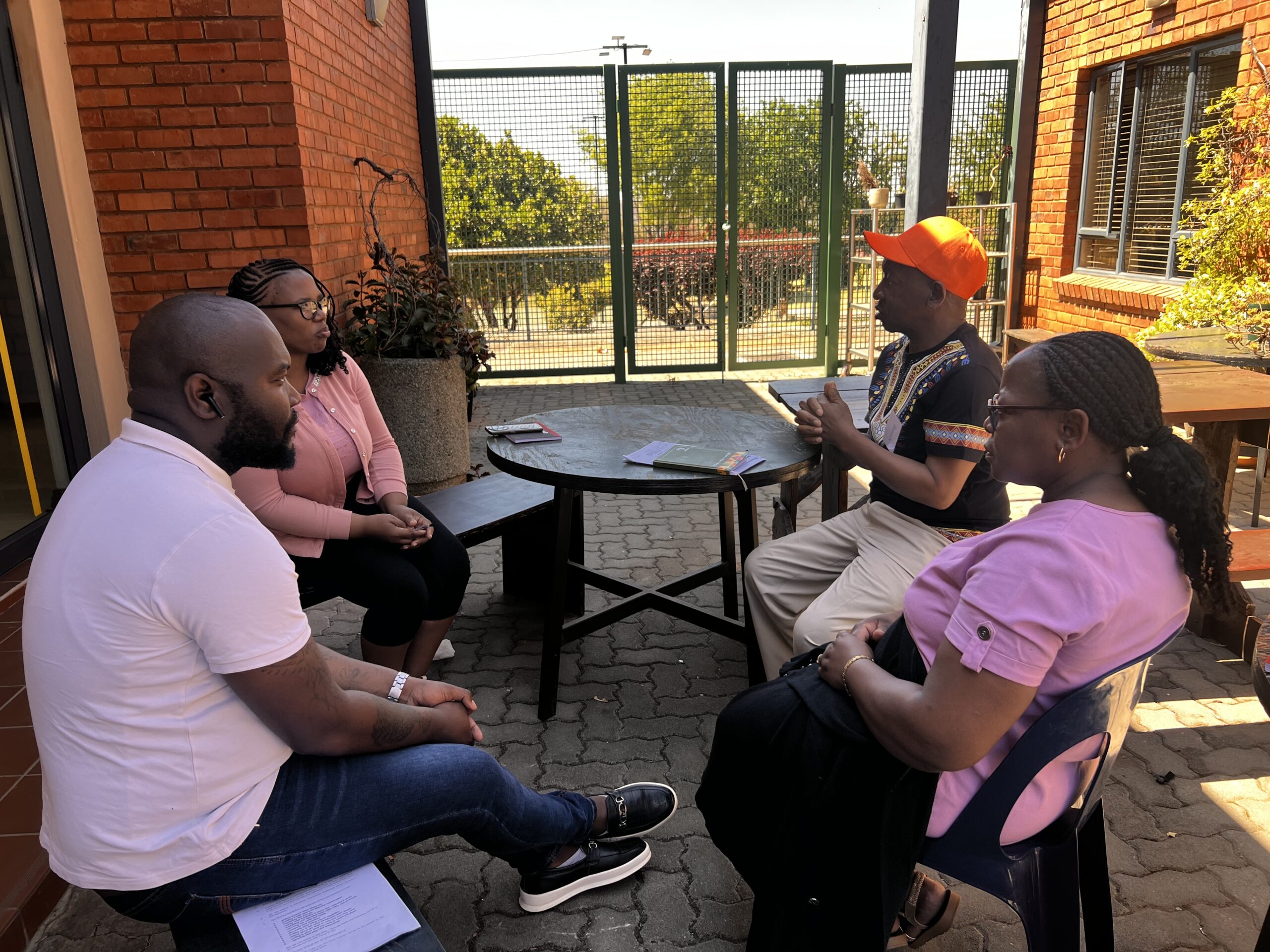
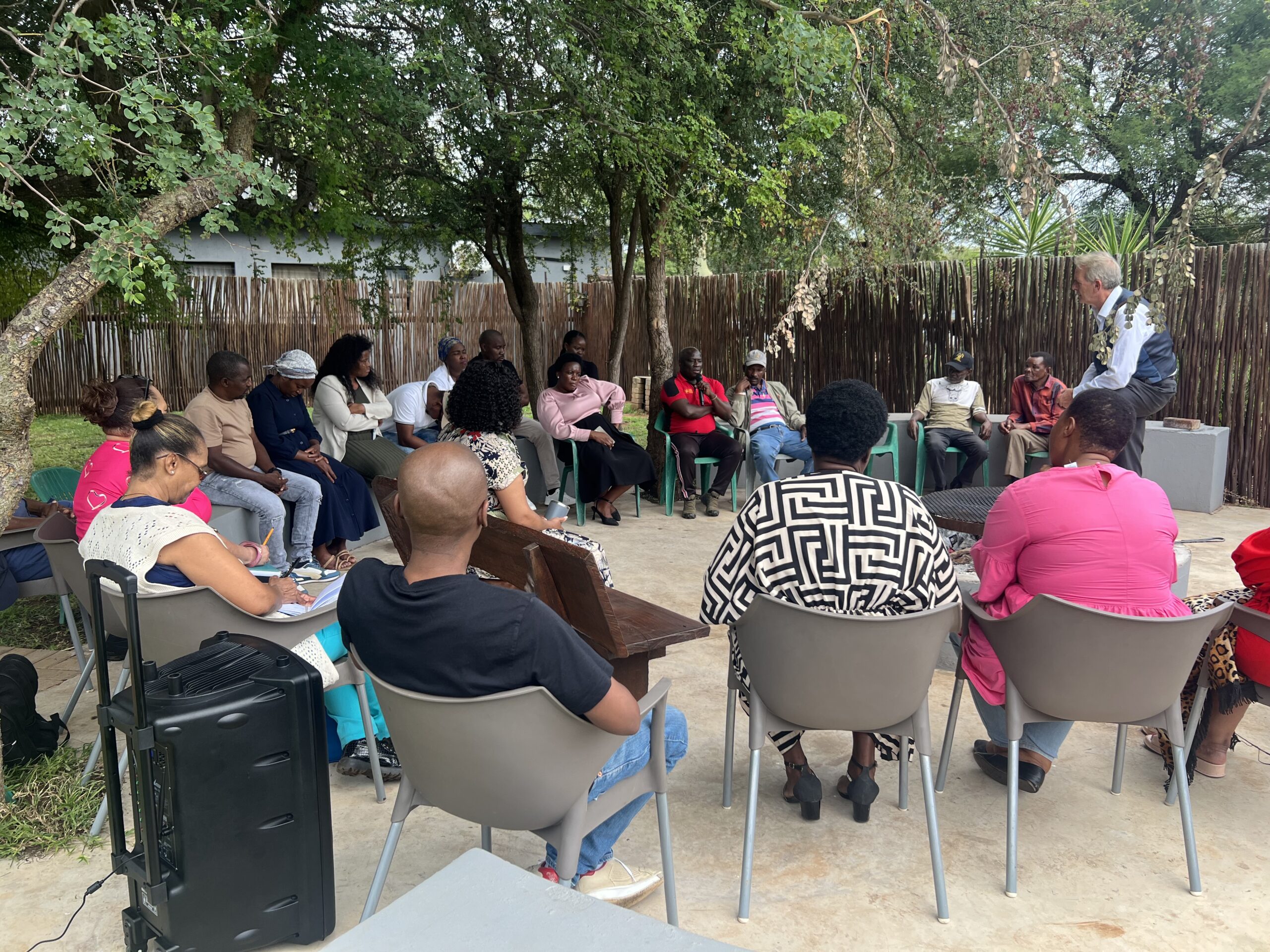
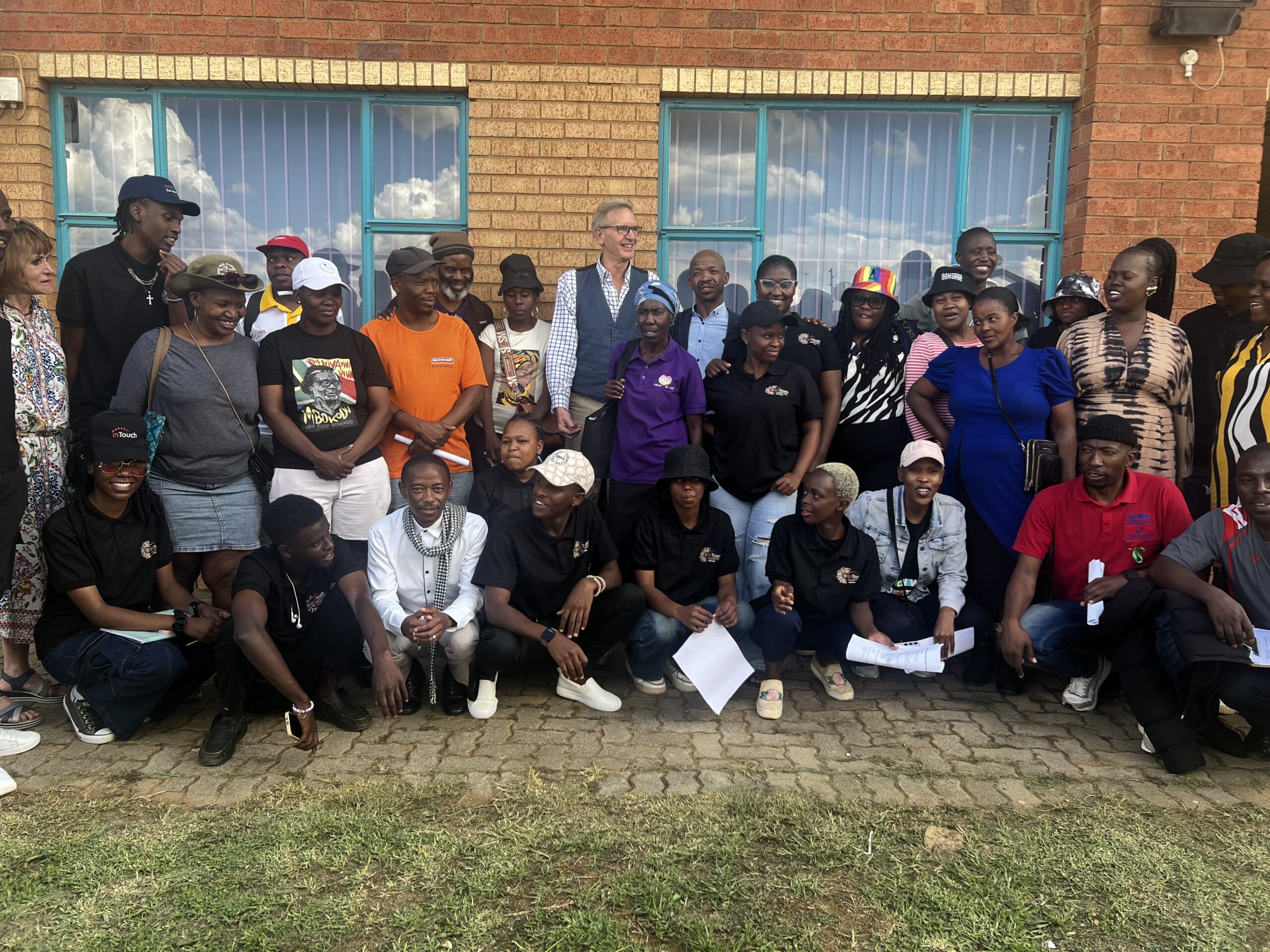
About us
For over two decades, Khulisa has been at the forefront of restorative justice and peace-making in South Africa, pioneering innovative approaches that restore dignity, rebuild trust, and transform conflict into collaboration. From its early work in prisons and schools to today’s nationwide community-based dialogue circles, Khulisa has consistently demonstrated that justice is not only about law, but about healing relationships and strengthening the social fabric. By embedding restorative practices into communities, Khulisa has cultivated thousands of peacebuilders who turn lived experiences into solutions—laying the foundation for a more cohesive, resilient, and hopeful society.
For more information, contact:
Lesley Ann van Selm | Managing Director and Founder
Khulisa Social Solutions
082 601 2299

